Corrosion in Automatic Sprinkler Systems
Automatic fire protection systems are crucial for safeguarding buildings. They automatically detect fires and either control or extinguish them, ensuring effective protection and minimizing damage....
Automatic fire protection systems are crucial for safeguarding buildings. They automatically detect fires and either control or extinguish them, ensuring effective protection and minimizing damage. Corrosion is found in all sprinkler systems and is one of the leading causes of maintenance and operation problems for fire protection systems. Most sprinkler system corrosion can be traced to the presence of water and air within the system.
Properly designing the fire sprinkler system and using the correct materials will help prevent future impairments. Nitrogen generators are another option to protect sprinkler systems susceptible to corrosion.
What is corrosion?
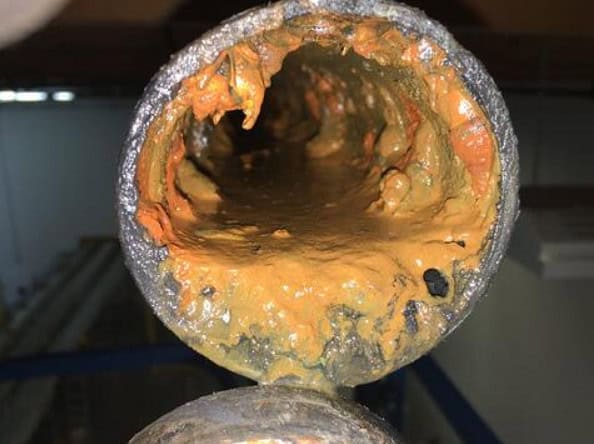
Corrosion is a natural process that occurs when metal comes into contact with oxygen and water. Over time, this reaction can cause the metal to deteriorate, weaken, and eventually fail. In automatic sprinkler systems, corrosion can occur in several areas, including the piping, fittings, and valves. When this happens, it can lead to leaks, clogs, and other issues that can prevent the system from functioning correctly.
How to prevent corrosion in automatic sprinkler systems
Preventing corrosion in automatic sprinkler systems is critical to maintaining the system's effectiveness and safety. Several steps can be taken to prevent corrosion:
- Proper system design: The design of the system should consider the potential for corrosion and incorporate measures to prevent it.
- For example, the system should be designed to eliminate areas where air can get trapped. This takes attention in the design and layout of the system, eliminating as much dead-end piping as possible, as well as potentially adding high point air relief vents to release trapped air from the system whenever the system is filled, or refilled, with water.
- In addition, utilizing Schedule 40 steel pipe with greater pipe wall thickness is beneficial.
- Minimizing the number of dissimilar metals in contact with each other may help as well.
- Ironically, piping that has been internally galvanized should not be utilized on wet-pipe sprinkler systems as it is ineffective in preventing this type of corrosion.
- Corrosion prevention: Nitrogen gas is an inert gas, which means that it does not react with other materials. By replacing the oxygen in the pipes with nitrogen gas, the system is protected from corrosion caused by oxygen reacting with metal components.
- Environmentally friendly: Nitrogen generators are an environmentally friendly alternative to traditional corrosion prevention methods, such as chemical inhibitors. Nitrogen gas is non-toxic and does not contribute to air or water pollution.
- Cost-effective: Nitrogen generators are a cost-effective solution for preventing corrosion in automatic sprinkler systems. They require minimal maintenance and have a long service life, making them a cost-effective investment in the long term.
Nitrogen generators offer many benefits in fire sprinkler systems; however, it is important to ensure that they are installed and maintained per NFPA codes and standards.
Conclusion
In summary, corrosion in automatic sprinkler systems can be a significant problem that can compromise the operation of the sprinkler system. However, with proper maintenance, inspection, and protection measures, it is possible to prevent, or at least minimize, corrosion and ensure that these systems function correctly when needed. If you are concerned about corrosion in your sprinkler system or nitrogen generator, contact Risk Logic Inc. for advice and assistance.
References:
FM Global Data Sheet 2-1, Corrosion in Automatic Sprinkler Systems (Sect. 2.2.1)
NFPA 13 (2022), Standard for the Installation of Sprinkler Systems (Sect. 5.1.4.2 & 16.7)