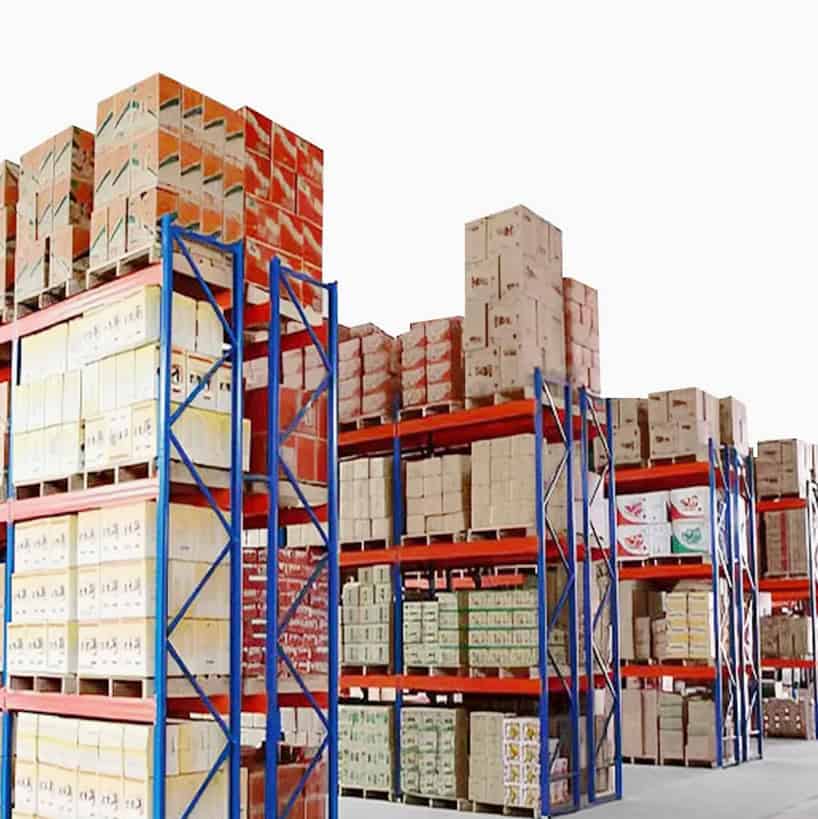
Fire Risk During Construction and Renovation Projects
Effective risk management during construction requires treating fire prevention as a core project function, not a secondary consideration. This article will help you identify fire risk during construction and renovation projects early in the planning process so appropriate controls can be implemented to prevent costly and dangerous losses.
Construction and renovation activities represent one of the highest fire risk periods in the lifecycle of any facility. According to a recent National Fire Protection Association (NFPA) research report, local fire departments respond to an estimated 4,440 construction-related fires per year, resulting in an annual average of $370 million in direct property damage. Loss data consistently shows that fires occurring during these phases are more likely to result in severe property damage due to the temporary impairment or lack of fire protection systems, increased ignition sources, and elevated combustible loading.
From a property loss prevention standpoint, these events are not random. They are the result of predictable conditions where ignition, fuel, and impaired protection converge. Most construction-related fires can be traced back to breakdowns in basic controls such as hot work management, housekeeping, and impairment coordination.
Effective risk management during construction requires treating fire prevention as a core project function, not a secondary consideration. This article will help you identify fire risk during construction and renovation projects early in the planning process so appropriate controls can be implemented to prevent costly and dangerous losses.
Why Fire Risk Increases During Construction
Even facilities designed with robust fire protection can become high hazard environments during construction. This is driven by simultaneous changes across three key areas: ignition sources, fuel load, and system reliability. NFPA 241 specifically recognizes these conditions and requires a structured fire prevention program to address them. To understand the exposure, it helps to view the project through these three primary risk factors:
Risk Factor | Construction Condition | Engineering Control |
Ignition Sources | Introduction of temporary heaters, temporary electrical, and hot work operations. | Strict adherence to hot work permit systems and clearance requirements. |
Fuel Load | Accumulation of combustible packaging, wood pallets, EPS insulation, and general debris. | Mandated daily debris removal and external staging of dumpsters. |
System Reliability | Sprinkler tie-ins, isolated piping sections, and offline detection systems. | Implementation of a formal Impairment Tagging and Management System. |
In addition to these factors, building features that normally limit fire spread are compromised. Fire barriers are opened, penetrations are created, and doors may be removed or left open. This allows fire and smoke to spread beyond the original area of origin more quickly than in a completed building.
Hot Work as a Primary Ignition Source
Hot work remains one of the leading causes of construction-related fires. NFPA 51B establishes clear requirements for managing these operations, yet losses continue to occur due to inconsistent implementation.
Hot work includes welding, cutting, brazing, soldering, grinding, and torch-applied roofing. Each of these activities produces sparks or heat capable of igniting nearby combustibles. Losses typically occur when controls are treated as procedural rather than critical. Common failure points include:
"Check-the-box" culture where permits are not verified in the field.
Inadequate fire watch coverage during and after operations.
Failure to clear combustibles within the required 35-foot (11-meter) radius of the hazard area.
Sparks traveling into concealed spaces, floor openings, or lower levels.
Post-work monitoring is a frequent gap. Fires often start after work has been completed, when smoldering materials ignite without immediate detection.
Pro-Tip: The 60-Minute Rule Effective control generally requires continuous supervision and a trained fire watch during operations and for a minimum of 60 minutes after completion. Higher-risk conditions, such as work near concealed spaces, combustible construction, or impaired sprinkler protection, warrant extended fire watch or monitoring durations.
Hot work conducted while sprinkler systems are impaired represents a critical escalation of risk and should be avoided unless no practical alternative exists and additional safeguards are implemented.
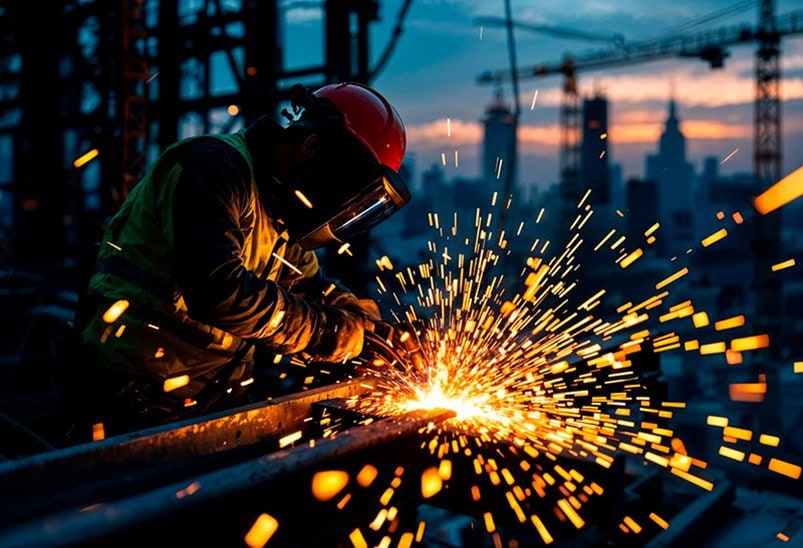
Construction hot work sparks; welding fire risk
Housekeeping and Combustible Control
Poor housekeeping is a primary driver of fire growth during construction. While often considered a basic control, its impact on loss severity is significant.
Construction activities generate large volumes of combustible waste, including wood, cardboard, plastics, and foam insulation. If allowed to accumulate, these materials can support rapid fire development and increase heat release rates beyond what manual suppression can control.
Daily removal of debris is essential. Combustible waste should not be allowed to build up inside the structure, particularly in concealed spaces or near active work areas. Exterior storage of dumpsters and pallets should be located away from the building to reduce exposure. Maintaining clear access paths is also critical; obstructed aisles and exits can delay response efforts and hinder fire department operations.
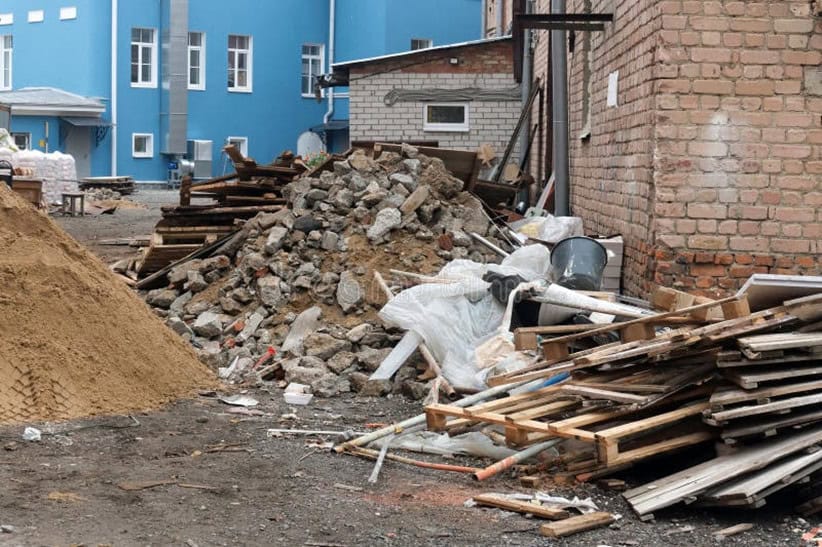
Messy construction site with debris
Impairment of Fire Protection Systems
Fire protection impairments represent the most significant contributor to loss severity during construction. When suppression systems are unavailable, even a small fire can develop into a major event.
During construction, sprinkler systems are frequently taken out of service for modifications, tie-ins, or phased installations. In some cases, protection is not yet installed in newly constructed areas. NFPA 241 requires that impairments be managed through a formal process, including planning, notification, and temporary safeguards.
Key elements of effective impairment management include:
Limiting the scope and duration of system outages
Isolating only the smallest necessary portion of the system
Scheduling work to minimize downtime
Providing continuous fire watch coverage during impairments
Restoring protection as quickly as possible
Areas without active sprinkler protection must be treated as high hazard. Ignition sources must be tightly controlled, and additional precautions should be implemented. Many large construction losses occur during what was expected to be a “short-duration” impairment.
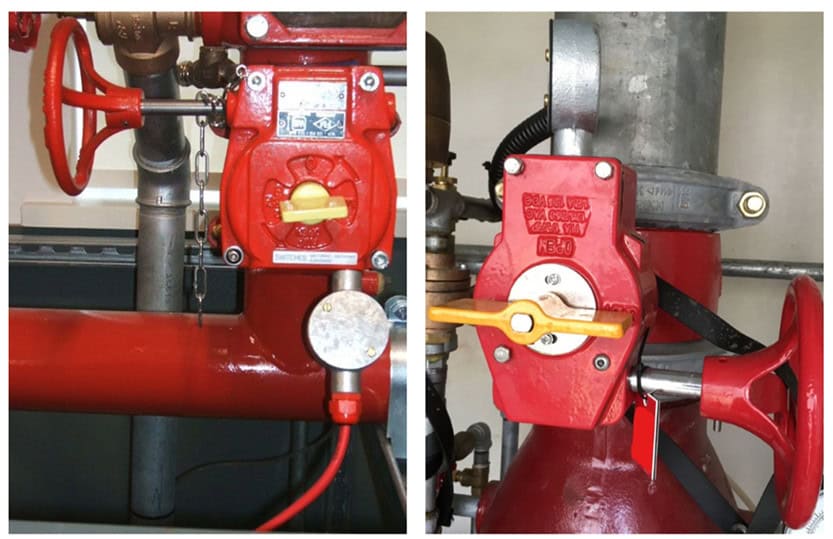
Closed fire protection sprinkler valves
Temporary Heating and Electrical Systems
Temporary systems introduce additional ignition risks if not properly installed and maintained. Portable heaters are often used to maintain working conditions but can be placed too close to combustible materials or used without adequate clearance.
Electrical hazards arise from temporary wiring that may be exposed to physical damage, overloading, or improper installation. Risk increases when these systems are installed without oversight or not routinely inspected. Controls must include proper equipment selection, adherence to clearance requirements, and regular inspection.
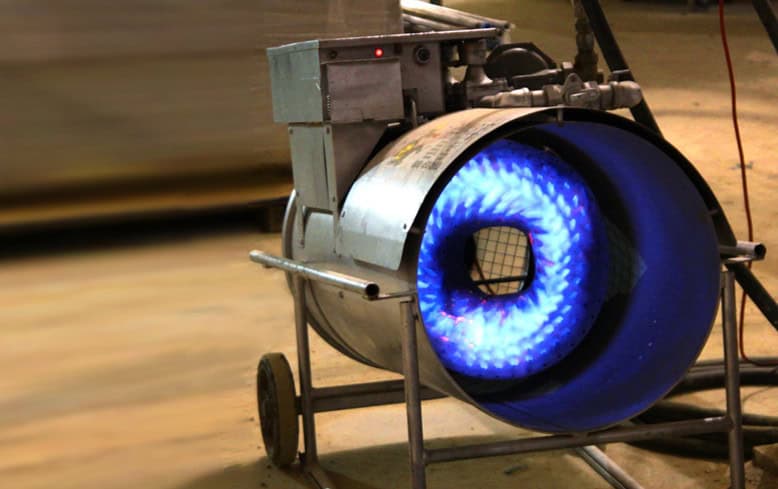
Temporary heater construction fire hazard
Fire Barriers and Compartmentation
Renovation activities frequently involve opening walls, ceilings, and vertical shafts. These actions compromise the building’s ability to contain fire and smoke. Compartmentation is a key element of fire protection design. When barriers are removed or penetrations are left unsealed, fire spread can occur rapidly across floors and between building sections.
Openings should be tracked and managed throughout the project. Temporary barriers or fire stopping may be required, particularly in occupied facilities or where critical separations are involved. Allowing these conditions to remain unaddressed until project completion significantly increases exposure and can contribute to multi-area fire involvement.
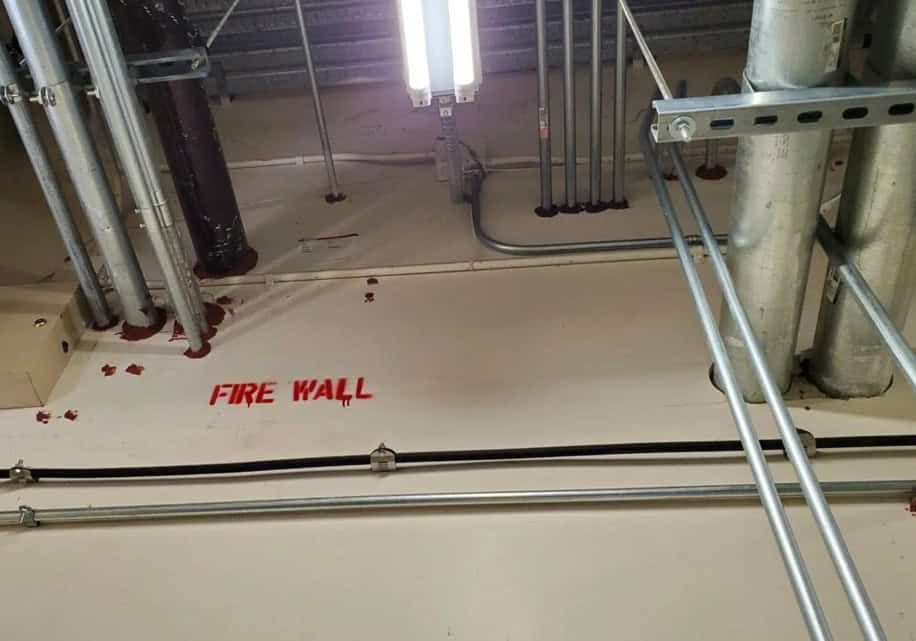
Penetrations through a fire wall
After-Hours Risk and Site Security
A significant portion of construction fires occur outside normal working hours. During these periods, there is limited oversight, delayed detection, and reduced ability to control early-stage fires.
End-of-day procedures are critical. These should include verification that hot work has ceased, temporary heating and electrical equipment have been shut down or secured, and combustible materials have been removed or controlled. Site security also plays a role in loss prevention. Controlled access, adequate lighting, and monitoring reduce the likelihood of unauthorized entry and potential ignition sources.
Loss Development and Escalation
Construction-related fires tend to follow a consistent pattern:
An ignition source is introduced, often through hot work or temporary equipment.
Sufficient combustible material is present to sustain fire growth.
Early suppression does not occur because sprinkler protection is impaired, incomplete, or not yet operational.
The fire continues to develop until it is discovered, often after a delay.
By the time the fire department arrives, the fire may have extended beyond the area of origin, particularly if barriers have been compromised. At this stage, loss severity is driven by building configuration, access, and available water supply rather than initial controls. This progression highlights exactly why maintaining active protection and strictly limiting impairments is non-negotiable.
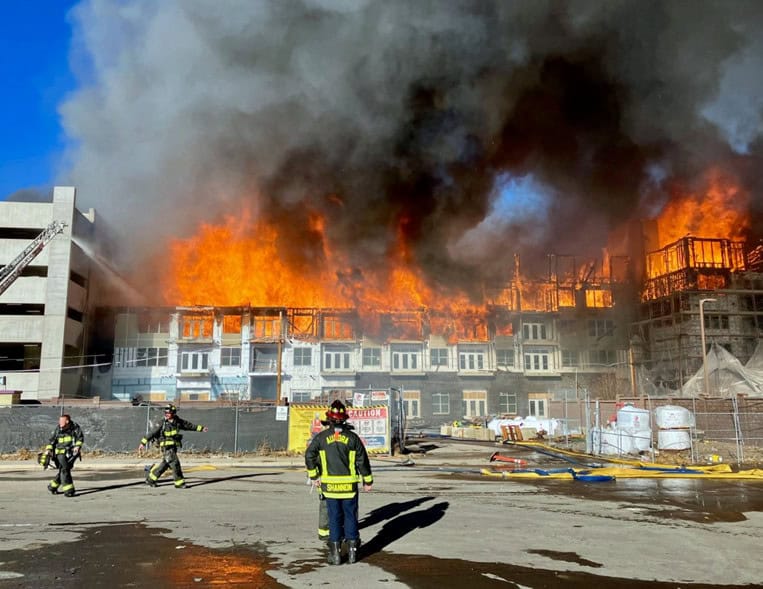
Fire at a multi-family residential building under construction
Practical Loss Prevention Controls
Effective fire risk management during construction requires the disciplined execution of core controls. Project managers should ensure the following:
Establish a formal Pre-Construction Fire Safety Program in accordance with NFPA 241 prior to project start.
Enforce a strict hot work permit system, verifying the 35-foot clearance rule and utilizing continuous fire watches (including the 60-minute post-work rule).
Maintain daily housekeeping, aggressively controlling combustible materials and debris.
Manage fire protection impairments through a formal tagging system, minimizing duration and scope.
Commission sprinkler and detection systems as early in the project timeline as practical.
Inspect temporary heating and electrical systems regularly for damage and proper clearances.
Track and protect wall/floor openings and penetrations to maintain compartmentation.
Enforce rigorous end-of-day procedures to reduce after-hours exposure.
Maintain site security and clear fire department access at all times.
Verify all controls through physical field inspections, rather than assuming compliance through documentation alone.
Protect Your Next Project with Risk Logic
Proactive risk management is the difference between a successful project and a catastrophic loss. Don't leave your site's safety to chance or assume compliance through paperwork alone. Risk Logic provides expert risk engineering oversight and comprehensive Builder’s Risk surveys to ensure your construction or renovation project remains safe, compliant, and on schedule.
Partner with our engineers to integrate robust fire prevention and risk controls seamlessly into your project management strategy. Contact Risk Logic today to discuss your upcoming project.
Sources
NFPA 51B, Standard for Fire Prevention During Welding, Cutting, and Other Hot Work
NFPA 241, Standard for Safeguarding Construction, Alteration, and Demolition Operations
National Fire Protection Association (NFPA) Research Report, "Fires in Structures Under Construction" (2023) https://www.nfpa.org/en/education-and-research/research/nfpa-research/fire-statistical-reports/fires-in-structures-under-construction
Read more in: