The Risks of Modern Building Materials: What You Need to Know About Plastics in Construction & Updates to FM Property Loss Prevention Data Sheet 1-57
Walk through any modern building, from the sleek data center down the street to that impressive cold storage facility on the outskirts of town, and you're likely seeing more plastic-based materials...
Walk through any modern building, from the sleek data center down the street to that impressive cold storage facility on the outskirts of town, and you're likely seeing more plastic-based materials than you realize. These risks of modern building materials aren't the obvious plastics like vinyl siding or PVC pipes. We're talking about sophisticated building components with names like insulated metal panels (IMPs) and aluminum composite materials (ACMs) that have quietly revolutionized how we build.
The appeal is undeniable. These materials promise better insulation, lower energy bills, reduced weight, and often cheaper installation costs. For businesses chasing sustainability goals or trying to meet tight budgets, they seem like a no-brainer. Cold storage warehouses rely on them almost universally, food processing plants love their FDA-required cleanable surfaces, and architects appreciate their design flexibility - from office towers to data centers.
But here's what many building owners don't fully grasp: these same materials that boost energy efficiency and cut costs can turn a manageable fire into a catastrophic loss.
When Modern Materials Meet Fire
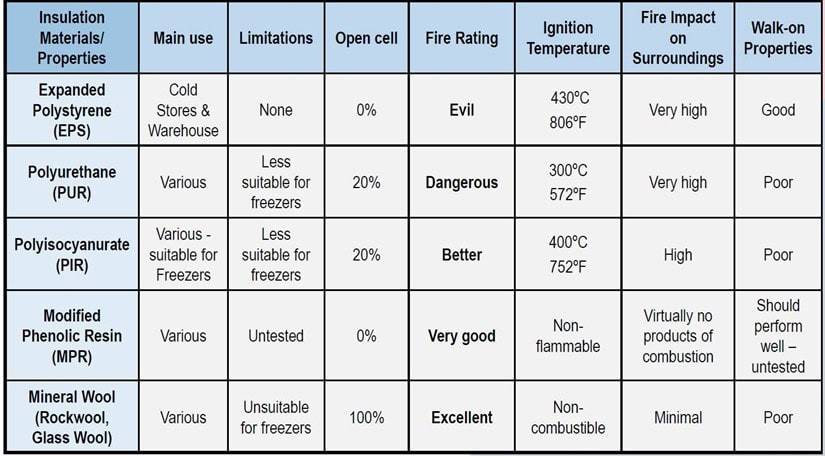
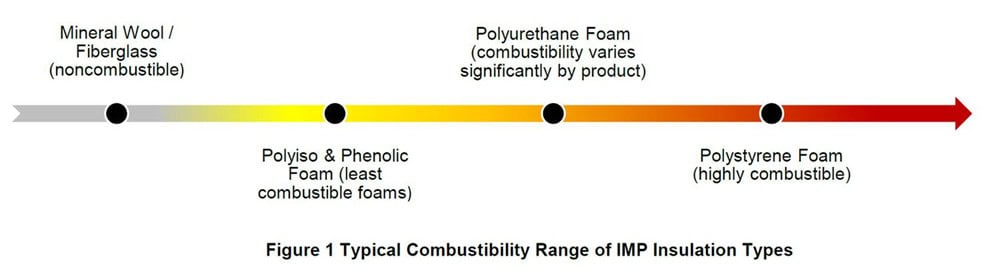
The risks of modern building materials isn't immediately obvious. These panels look substantial. They are metal faced, professionally installed, and often backed by impressive technical specifications. What's hidden is the combustible core material nestled between those protective metal faces. Materials like polyisocyanurate (PIR), polyurethane foams, or expanded polystyrene (EPS) can ignite and spread fire in ways that catch even experienced firefighters off guard.
Picture this: a small fire starts in your facility. Your sprinkler system kicks in, just as designed. But instead of the fire being quickly controlled, flames begin racing through concealed spaces behind wall panels, completely beyond the reach of your sprinklers or the fire department's hose streams. The fire can smolder undetected within panel joints, creating suppression challenges that drag on for days or even weeks.
The smoke problem is equally devastating. Even when the fire itself is contained, the toxic, corrosive smoke from burning plastic materials can contaminate products throughout your facility. For food warehouses, this often means losing your entire inventory due to contamination concerns. Electronics manufacturers face the nightmare of precision equipment rendered useless by corrosive residues.
Real-World Wake-Up Calls
These aren't theoretical risks, they're playing out in devastating real-world scenarios:
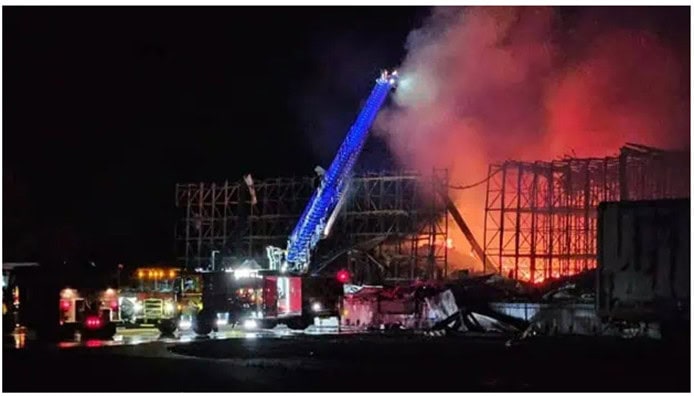
Kennewick, Washington (April 2024): A cold storage warehouse fire burned for two solid months, fueled by insulated panels. The entire 535,000 square foot building was destroyed, and the smoke was so extensive it forced area-wide evacuations. Imagine explaining to your stakeholders that the fire lasted 60 days.
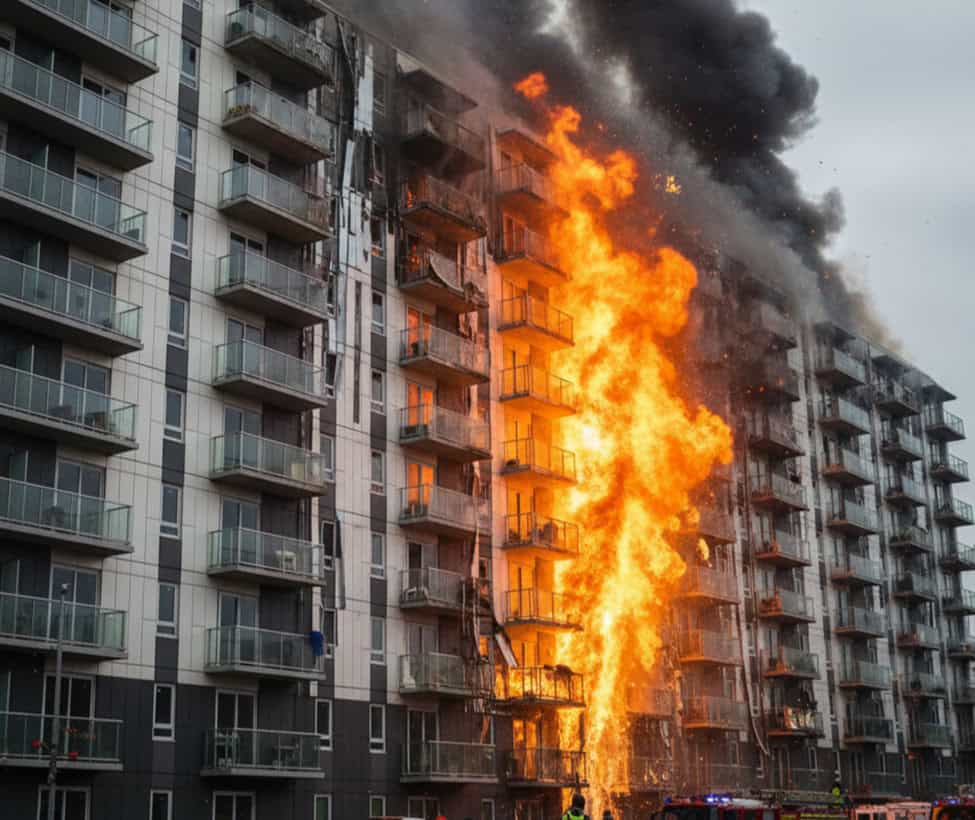
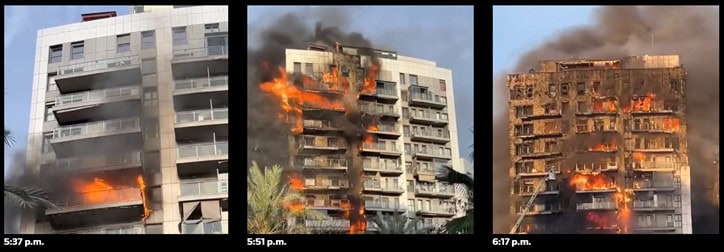
Valencia, Spain (February 2024): A residential complex fire spread with shocking speed, aided by ACM panel cladding. The panels were mounted on metal frames over insulation, creating an air cavity that worked like a chimney, accelerating the fire's vertical spread.
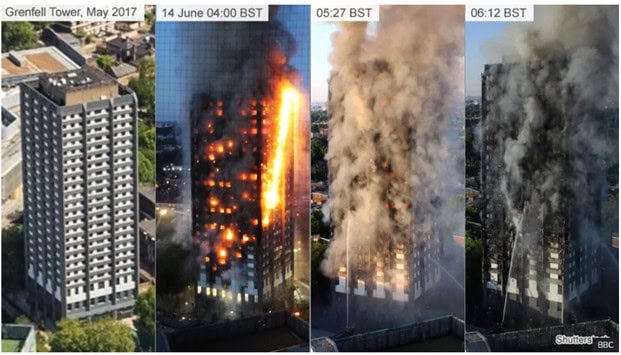
London's Grenfell Tower (June 2017): This is perhaps the most tragic example, where combustible ACM cladding contributed to rapid fire spread that destroyed the entire high-rise residential tower.
In each case, materials chosen to improve the building (better insulation, modern aesthetics, cost savings) became the very elements that amplified the disaster. These are stark reminders that construction choices can have long-term risk implications which may not be fully understood during the design phase.
The Industry Responds: FM's Updated Guidelines
Recognizing these escalating risks of modern building materials, FM has substantially updated their Property Loss Prevention Data Sheet 1-57, Plastics in Construction. This isn't just another insurance company issuing generic warnings, it's some of the most comprehensive guidance available for managing these risks, based on hard data from fire tests and real-world losses.
The evolution of these guidelines tells a story. The 2018 edition was already a significant overhaul from previous versions, but the 2024 and 2025 updates show an industry grappling with rapidly changing construction practices and mounting loss data.
What's Changed (And Why It Matters to You)
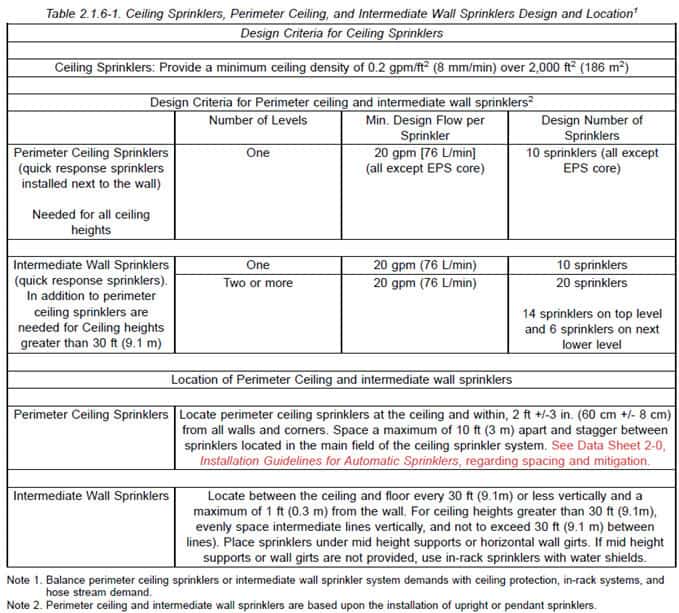
Sprinkler Protection Requirements: Gone are the vague references to "follow other guidelines." The latest version provides Table 2.1.6-1 with specific design densities, sprinkler spacing requirements, and detailed guidance for protecting concealed spaces. If you're using combustible panels, your sprinkler system needs to be designed specifically with these materials in mind.
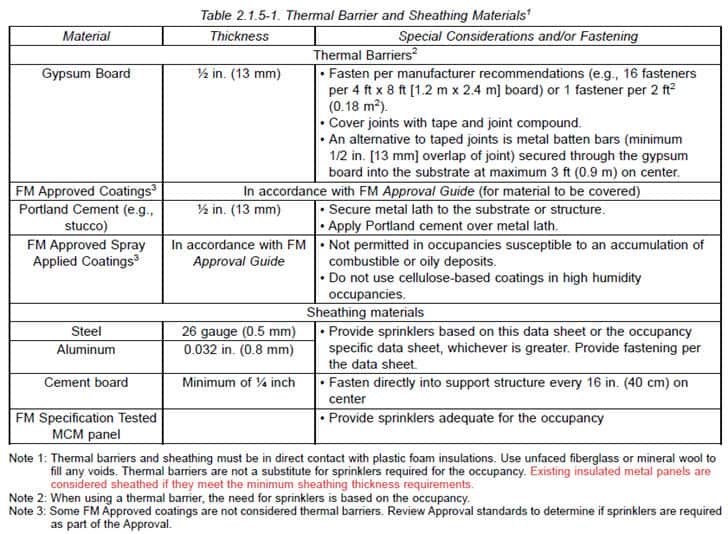
Thermal Barrier Requirements: Guidance for thermal barriers was spread throughout the document. Now, Table 2.1.5-1 has expanded on the 2024 Table 2.1-1 by detailing the thicknesses, fastening methods, and sheathed panel recognition.
Panel Identification: Earlier versions basically said, "know what's in your walls." Now there are explicit requirements for manufacturer documentation, test data, and even physical verification methods. This isn't bureaucratic box-checking, it's about ensuring you actually know what fire risks are built into your facility.
Exterior Wall Performance: The guidelines now align with NFPA 285 standards and include specific performance requirements and separation distances for MCM/ACM. The expanded guidance also addresses high-pressure laminate exterior wall assemblies and other high-performance building envelopes. If your building has an eye-catching modern facade, there are now clear criteria for evaluating its fire performance.
HVAC Integration: New guidance addresses how heating, ventilation, and air conditioning systems interact with combustible panels. HVAC systems can become highways for fire and smoke spread if not properly designed and protected.
Expanded "Not Recommended" Lists: Based on loss data and testing, the list of materials to avoid has grown significantly. Expanded polystyrene (EPS) remains on the "don't use" list, but additional foam types and resin-based products are now specifically called out.
Key FMDS 1-57 Changes in Detail
Changes From 2018 to 2024
- Introduction of detailed guidance on exterior wall assemblies.
- More prescriptive requirements for identifying panel core materials, including requirements for manufacturer documentation and test data.
- Added emphasis on hot work controls near combustible construction elements.
Enhanced recommendations for separating combustible panels from ignition sources.
Additions & Guidance Expansion From 2024 to 2025
- Stricter guidelines for sprinkler protection in buildings using combustible cladding systems (Table 2.1.6-1) with minimum ceiling sprinkler design density and detailed guidance on location and design for both perimeter and ceiling sprinklers.
- Updated thermal barrier table (Table 2.1.5-1) with clear material thickness, fastening methods, and clarification that barriers do not replace sprinklers.
- New panel joint securement diagrams showing best-practice attachment details to limit fire spread through joints, a known weakness in combustible assemblies.
- New discussion & guidance on HVAC systems and ductwork which are common interfaces with combustible panels, and can become pathways for hidden fire and smoke spread. Guidance includes recommendations for firestopping, ductwork materials, and interlocks/ smoke dampers to limit smoke transference.
- Expanded focus on Metal Composite Material (MCM) panels, and their fire performance characteristics, with explicit guidance on acceptable materials and configurations. The new edition specifies performance requirements for MCM panels, including acceptable core types, minimum fire testing needed for approval, and installation configurations that reduce flame spread.
- Greater specificity on fire testing requirements and acceptable listings for panels used in both interior and exterior applications. While the 2024 edition required manufacturer documentation and testing, the 2025 revision adds explicit references to test methods (e.g., ASTM E84, NFPA 285, and FM Approval standards) to eliminate ambiguity.
- Clarification on acceptable separation distances from ignition sources (boilers, heaters, etc.) and storage areas. Where these minimum distances cannot be achieved, protective barriers are recommended.
- Expanded lists of “not recommended” products based on new loss data. Expanded polystyrene (EPS) remains on the list, but additional foam types and certain resin-based products are now specifically identified.
- Greater alignment with related standards such as NFPA 285, Standard Fire Test Method for Evaluation of Fire Propagation Characteristics of Exterior Wall Assemblies Containing Combustible Components, for exterior walls. Exterior wall assemblies with combustible components must now demonstrate compliance not only with FM criteria but also with NFPA 285 which is, in some cases, a more widely recognized standard for fire propagation in exterior walls.
- Requirement to protect concealed spaces containing plastics per FMDS 1-12, Ceiling and Concealed Spaces. Concealed voids above ceilings or within cavities can allow undetected fire to spread, which was not strongly emphasized in earlier editions.
- Emphasis that insulated metal panels (IMPs) meeting certain thickness criteria are considered “sheathed”, even if they were installed before the updated guidelines. This retroactive recognition is important because many facilities use existing IMPs, and this clarification can aid in more accurate evaluation of older installations without defaulting to replacement.
The Real-World Implementation Challenge
Here's where theory meets reality: implementing these updated guidelines isn't always straightforward. You might face:
- Limited material availability: FM Approved materials aren't always readily available in every region or market
- Retrofit constraints: Your existing building geometry or ongoing operations might make ideal sprinkler installation difficult.
- Cost implications: Replacing high-combustibility panels in existing structures can be expensive
- Coordination challenges: Getting architects, contractors, and risk engineers on the same page requires intentional effort from the beginning
Making Smart Decisions
The key is getting property risk engineers involved early in the design process, not as an afterthought when construction is nearly complete. Consider detailed mock-ups to verify installation details, especially panel joints where fire spread is most likely. And yes, pre-order long-lead FM Approved materials rather than hoping you can find suitable substitutes later.
The Bottom Line
Modern plastic-based construction materials aren't inherently evil; they can deliver real benefits in energy performance and cost savings. But they require a more sophisticated approach to fire protection than traditional materials. The goal isn't to avoid these materials entirely, but to use them intelligently with proper safeguards in place.
Think of it this way: you wouldn't install a high-performance industrial process without considering safety systems and operational procedures. The same mindset applies to high-performance building materials. The updated FM guidelines provide a roadmap, but it takes intentional effort to follow them.
The stakes are clear from those real-world examples. A fire that might have been a manageable insurance claim with traditional construction can become a total loss, and a months-long operational shutdown, when combustible panels are involved without proper protection.
Your facility's long-term resilience depends on making these decisions thoughtfully, with full understanding of both the benefits and the risks. The 2025 FM guidelines give you the tools to do exactly that.
How Risk Logic Can Help
Need help navigating the risks of modern building materials and their complex requirements? Risk Logic's property engineering team specializes in identifying combustible construction materials and developing protection strategies that balance performance with fire resilience. Whether you're planning new construction or evaluating existing facilities, our plan review services and HPR property loss engineering can help you make informed decisions that protect both your investment and your operations.
Sources
FM Property Loss Prevention Data Sheet 1-57, Plastics in Construction
AIG Property Risk Engineering Insight: Insulated Metal Panels – April 2022
Environmental Social Governance (ESG) and similar sustainability objectives
Read more in: