Fire Protection in Buildings Higher than 30 ft. – Red Alert
Expanding or looking to lease additional space is a good thing. Business must be good. Next step, minimize cost. “Let’s get some quotes and pick the lowest.” Many businesses opt for the lowest quote,...
Expanding or looking to lease additional space is a good thing. Business must be good. Next step, minimize cost. “Let’s get some quotes and pick the lowest.” Many businesses opt for the lowest quote, assuming compliance with local codes is sufficient. However, down the road you discover strange things like your property insurance company isn’t impressed with your new building or lease. They don’t give your fire sprinkler protection any credit. “What? But we meet local code. The Contractor said so. Why is my insurance company even chiming in?” Because insurers assess risk differently than contractors, and their priority is ensuring adequate fire protection in buildings, not just code compliance.

Understanding Code Compliance vs. Insurance Standards
Fire sprinkler contractors are obligated to meet local codes, and they bid accordingly. However, local codes often lag behind the latest industry standards, sometimes by a decade or more. For example, as of now, Wisconsin still follows the 2013 Edition of NFPA 13, Standard for the Installation of Sprinkler Systems while the most current edition is 2025. Code adoption is a slow process, as state and local jurisdictions have no immediate incentive to expedite it.
Check out our November 2024 article to see the NFPA 13 editions adopted as code throughout the U.S. (one state is still using 1999 edition!). A significant update in the 2022 edition of NFPA 13 introduced changes affecting fire protection in buildings with ceiling heights over 30 feet, especially those using Early Suppression Fast Response (ESFR) sprinklers. While ESFR sprinklers were once considered suitable for virtually any storage scenario, updated fire testing revealed limitations based on ceiling height and commodity type. These changes impact protection strategies and insurance considerations.
The Risks of Relying Solely on Local Code
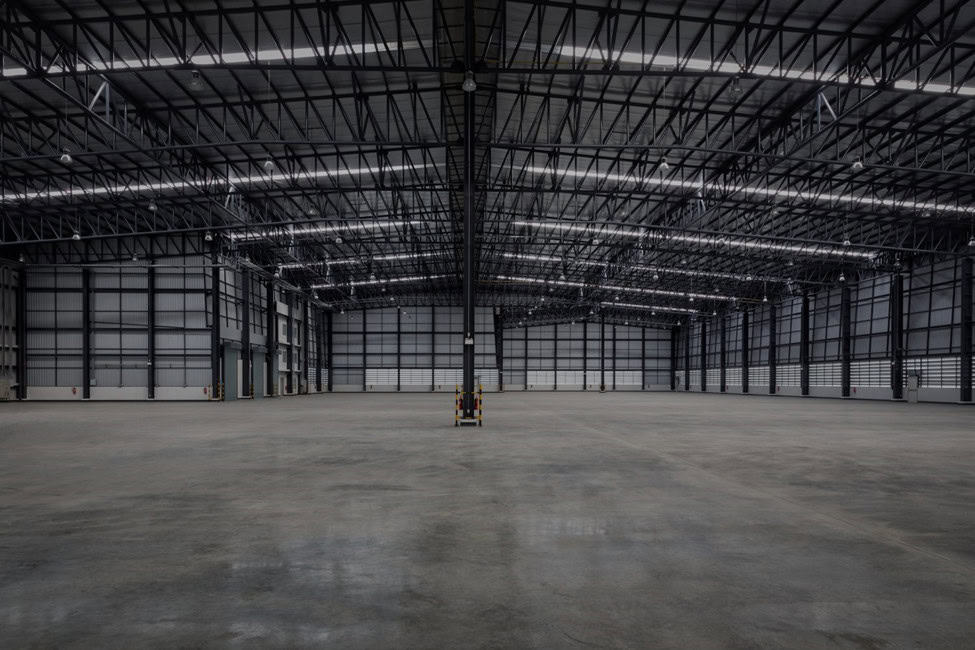
If you are constructing or leasing a building with a ceiling height exceeding 30 feet (floor to ceiling, not just clear height), alarms should go off. Relying solely on contractors to meet outdated local codes could result in:
- No credit for adequate fire protection from insurers
- Increased property insurance premiums
- Potential non-renewal of your insurance policy
Retrofitting an ESFR system designed under older standards can be expensive and complex. Modifications often require:
- Larger pipe sizes
- Upgraded fire or booster pumps
- Complete system overhauls
The Cost of Proactive Planning
Integrating the latest NFPA standards from the outset may result in slightly higher upfront costs, but it ensures better fire protection in buildings, lower insurance premiums, and increased insurer interest. This puts you in a stronger position when negotiating policy terms.
Key Takeaways for Smarter Fire Protection Decisions
- Provide clear specifications upfront. Who has skin in the game? Engage all stakeholders, including your property insurance company. If they don’t provide guidance, consult experts like Risk Logic to assess risks before finalizing designs.
- Consider actual storage materials. What will be in the building? Assume plastics will be stored in the facility—even if not initially planned. Plastics significantly impact fire protection design and must be accounted for.
- Scrutinize warehouse leases. A warehouse marketed as “30 ft. clear” means its overall height exceeds 30 feet, potentially using outdated ESFR protection. Verify the floor-to-ceiling height and obtain sprinkler system design details before signing a lease.
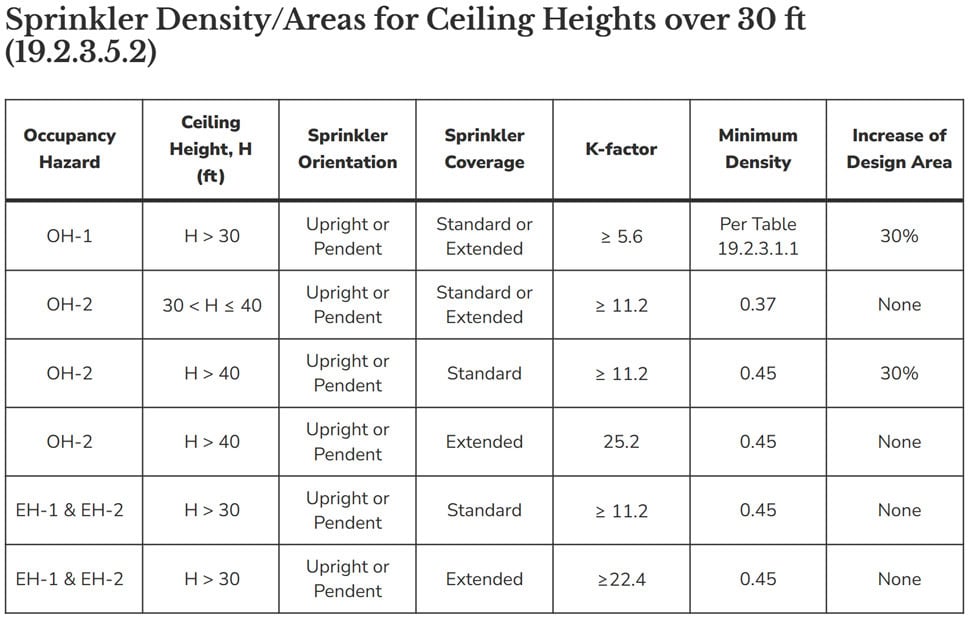
- Non-storage buildings face challenges too. High-ceiling buildings without ESFR sprinklers must comply with new density/area design method changes in the 2025 NFPA 13 edition, impacting non-storage occupancies as well. Our November 2024 article will provide further details.
Due Diligence: A Worthwhile Investment
Contact Risk Logic to assist with a quick site visit to assess fire protection adequacy. Our engineers would also assess natural catastrophe hazards and identify other potentially hidden risks. If a building is available, chances are the previous tenant chose not to renew—often due to fire protection shortcomings.
Growth is exciting, but smart planning ensures long-term success. Protect your business by making informed fire protection decisions from the start.