April 3rd, 2025
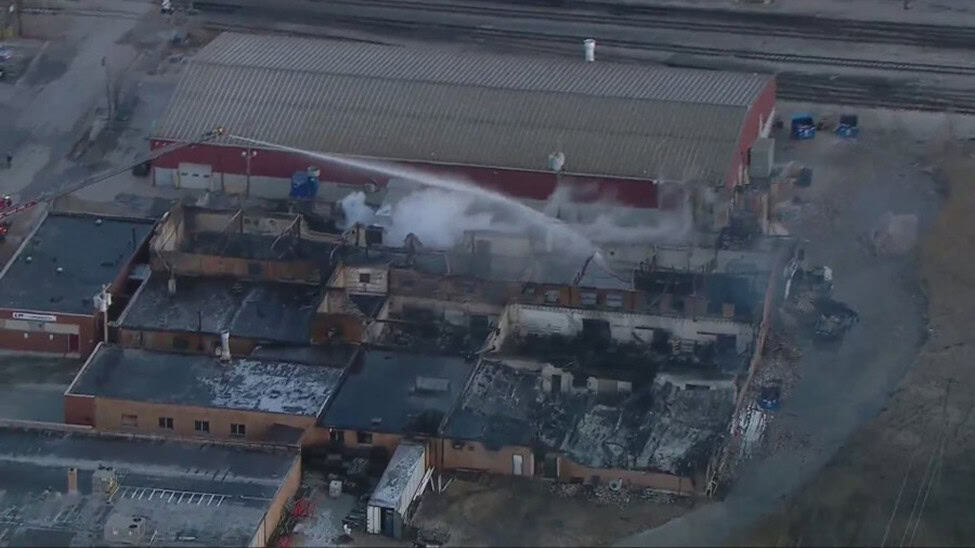
On Wednesday night, March 5th, fire crews responded to a two-alarm fire prompted by explosions at a Chicago Magnesium factory in Dixmoor, IL. Crews were able to get the fire under control by Thursday morning, but the fire destroyed most of the Chicago Magnesium Casting Co. building, leaving two others untouched. When rescuers arrived at the scene, more than half the building was already on fire. Unfortunately, the roof of the building caved in, but firefighters could now pour water on the affected areas inside. Several explosions occurred as the crew members fought the fire, making it difficult to suppress.
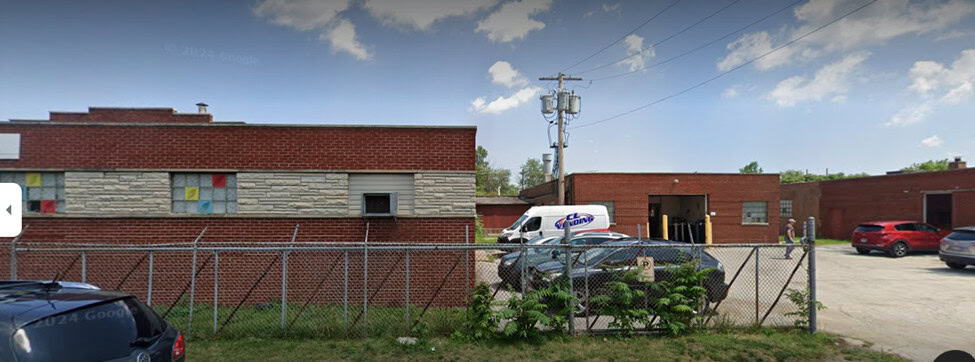
The family founded the company in 1953 and has continuously owned it ever since. It is a foundry specializing in sand casting and aluminum, supplying components to the aerospace industry and fulfilling government deals. Thankfully, this blaze did not hurt anyone, and no employees occupied the building when the fire occurred.
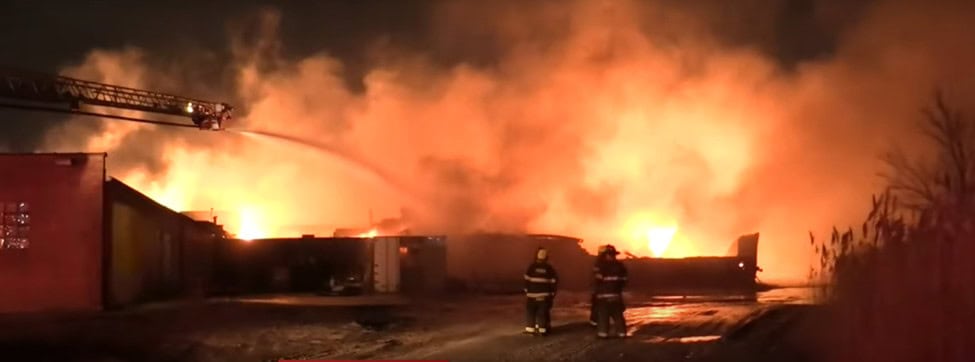
Once crews safely entered the building, they discovered 55-gallon drums containing magnesium and an unknown chemical. These drums fed the flames of the fire and the contents were highly combustible. Fire crews faced the challenge of magnesium, as the chemical reacts with water, producing flammable hydrogen gas. Officials and the Environmental Protection Agency collaborated to monitor and ensure the air quality was safe. Officials will continue to investigate the cause of the blaze.
Learning from the Incident
The explosions at the Chicago Magnesium factory underscore the critical importance of specialized fire response protocols and pre-incident planning for facilities handling reactive materials. Magnesium’s volatile reaction with water necessitated modified firefighting tactics, as crews can focus on cooling unaffected areas while allowing the magnesium to burn out, highlighting the dangers of conventional suppression methods. The investigation could reveal gaps in hazardous material storage practices, as 55-gallon drums containing magnesium and unknown chemicals exacerbated the blaze, emphasizing the need for proper containment and labeling of combustibles. This event reinforces that facilities processing reactive metals require tailored fire prevention plans, employee training on material hazards, and ongoing consultation with fire safety experts to mitigate catastrophic losses.
How Risk Logic Can Help Your Company
Companies that work with toxic and flammable chemicals, such as magnesium, pose a significant fire protection challenge. Risk Logic engineers can advise property owners to help protect and mitigate these types of losses. Please contact us if you have questions or would like to schedule a loss prevention survey.