November 15th, 2024
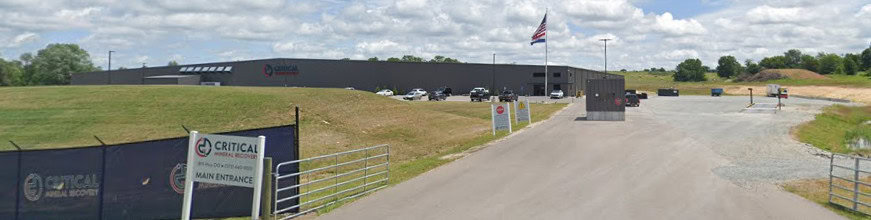
On the evening of October 30th, calls poured into Madison County emergency services. The calls were about a fire at a lithium-ion battery recycling facility in Fredericktown, Missouri. Authorities evacuated residents from the southeast Missouri town. They recommended closing windows, doors, and turning off AC units. By 7:45 p.m., the roof had partially collapsed as firefighters continued to battle the fire in the 225,000-square-foot building. The fire extensively damaged the structure of the brand-new facility, making it unclear how much can be salvaged.
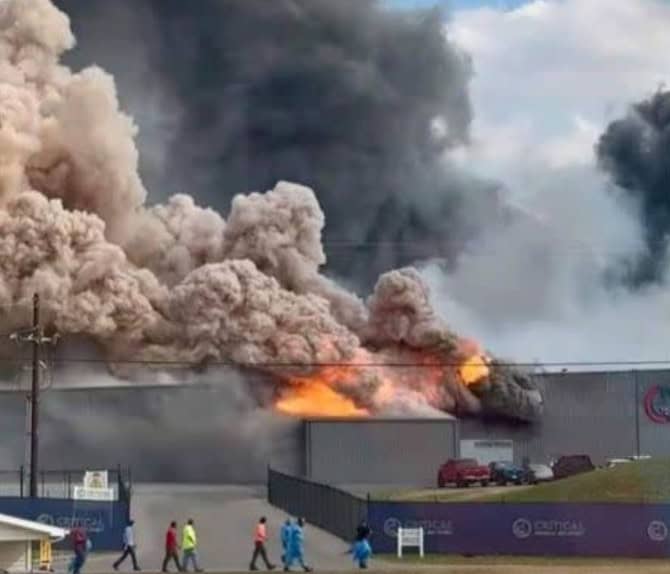
The Critical Mineral Recovery facility was reportedly one of the largest lithium-ion battery processing facilities in the world. It recycled lithium-ion battery related materials from battery manufacturers, electric vehicles, battery dealers, and consumer-grade lithium-ion batteries. It also recovered metals and minerals such as copper, nickel, cobalt, lithium, manganese, and aluminum for reuse in battery production. The company's website stated the plant likely had the world's most sophisticated automated, remotely supervised, and controlled fire suppression system. Engineers designed the system to detect fires in their earliest stages. It covered all areas where battery materials were stored. Reportedly, technicians monitored the system 24/7 using infrared camera technology. The exact type of fire suppression system remains unknown, and experts cannot evaluate its effectiveness in this incident without a fire loss investigation.
Specialized contracted firefighters arrived at the site the following day to fight the fire and extinguish hot spots and smoldering material inside the building. The expert fire suppression teams worked systematically to move and isolate smoldering material, treat it, and allow it to cool. It wasn’t until November 8th that firefighters had addressed all smoldering materials. On November 13th, the Fredericktown Fire Department declared the fire fully extinguished and handed control of the site/scene back to Critical Mineral Recovery. Fortunately, no one was injured in this massive fire.
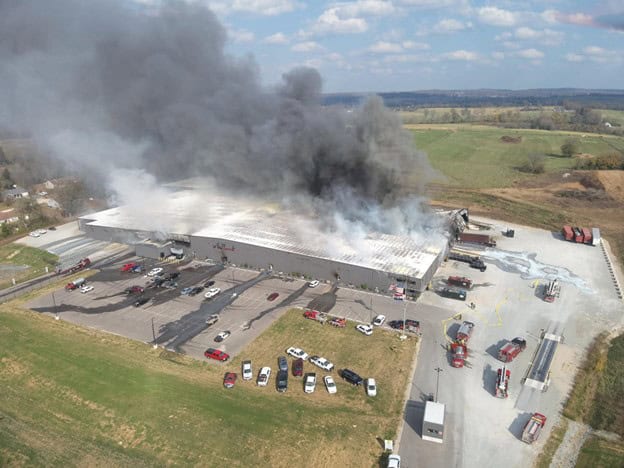
The Environmental Protection Agency (EPA) tested the air for toxins and monitored air quality and water runoff throughout the event.
In the future, the proposed NFPA 800, Battery Safety Code, may become a useful standard in regulating battery manufacturing, use, storage, and recycling. Recently published FM Property Loss Prevention Data Sheet 7-112, Lithium-Ion Battery Manufacturing and Storage, is the first such standard for fire protection and property loss prevention and control for production and storage of lithium-ion batteries. As the standard notes - "To date, limited publicly-available fire test data exists that confirms the effectiveness of any active fire protection for lithium-ion batteries. Automatic sprinkler protection is recommended to limit fire spread to the surrounding structure, equipment and building contents."
Besides recommending robust automatic fire protection systems, the data sheet stresses the importance of employee training and pre-incident and emergency response planning. In addition, guidance is provided for handling defective/damaged cells, modules, and batteries that may be prevalent at recycling facilities; isolation/segregation from storage areas or other important areas is critical to limit potential fire size.
Risk Logic engineers specialize in identifying fire and other property loss exposures. They conduct thorough property loss prevention surveys and assess fire protection and alarm systems to ensure proper design and maintenance. For a comprehensive inspection and consultation, please contact Risk Logic. For additional articles regarding lithium-ion batteries, please click here.