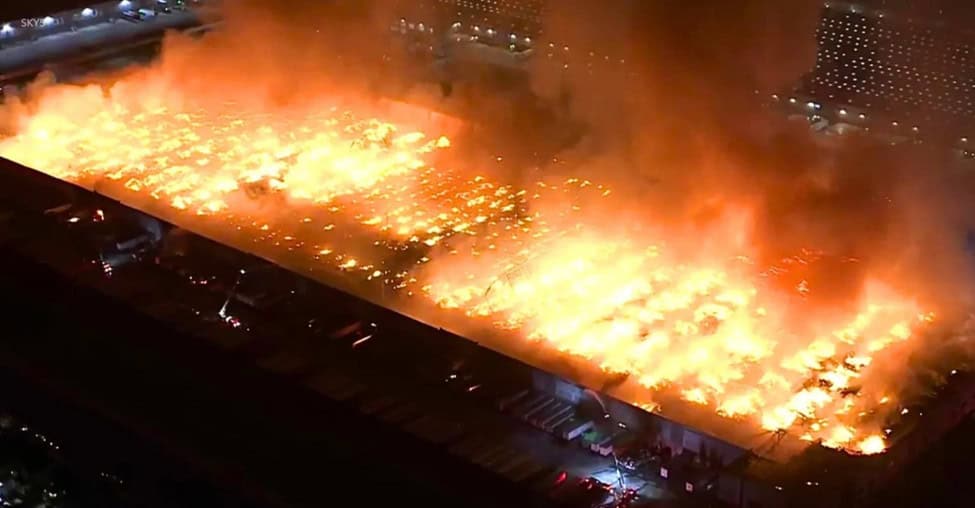
Franklin Apartment Construction Fire Highlights Elevated Risk in Active Building Projects
A recent construction‑phase fire shows how quickly incidents can escalate when protection systems aren’t yet in place. Exposed building conditions and ongoing work create vulnerabilities that demand proactive risk management to prevent severe losses.
e at an apartment building within the Compass Park senior living community in Franklin, Indiana caused significant structural damage and displaced multiple residents after breaking out in the early morning hours. The incident prompted a multi-department emergency response, with crews encountering heavy fire conditions upon arrival. This fire highlights elevated risk in active building projects.
The Franklin apartment construction fire occurred in a portion of the building undergoing expansion, where active construction activities were underway. All occupants were safely accounted for, though damage to both the addition and adjacent occupied areas resulted in temporary displacement, nonthermal damage, and operational disruption.
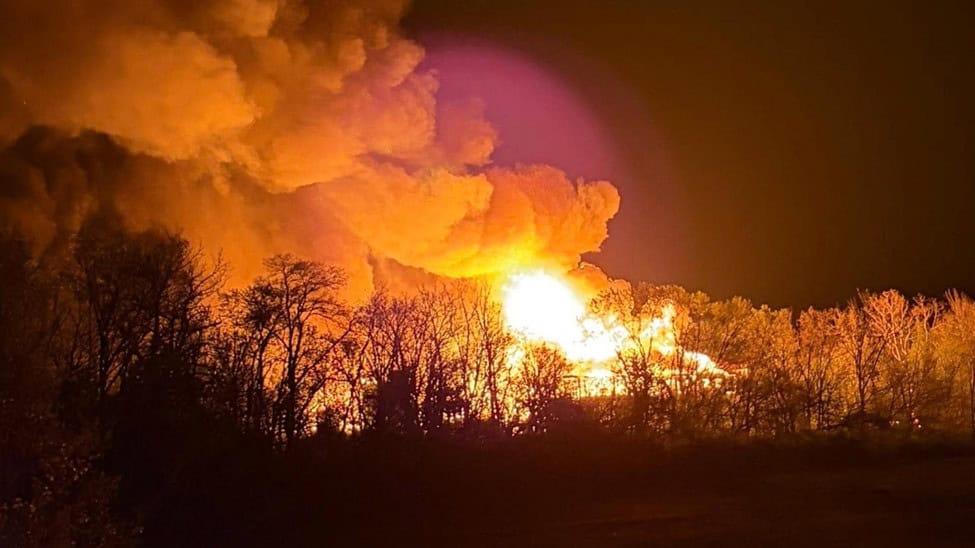
The scene of a large fire at the Compass Park senior living community in Franklin, Indiana.
Incident Overview & Risk Factors
The fire originated within a construction zone, a critical detail that shaped both ignition potential and fire development. Active construction environments inherently introduce elevated fire risk due to changing site conditions and incomplete fire protection systems.
Key contributing risk factors typically include:
Temporary electrical installations
Hot work operations
Exposed structural components and open voids
Limited or impaired fire protection systems
In construction phases, suppression systems are often not fully commissioned, removing a primary control against fire growth. At the same time, unfinished assemblies and unsealed penetrations allow fire to spread rapidly through concealed spaces.
Fire crews encountered advanced fire conditions on arrival, indicating delayed detection or rapid early-stage growth. This is consistent with construction-phase fires, where detection, suppression, and compartmentation are frequently compromised.
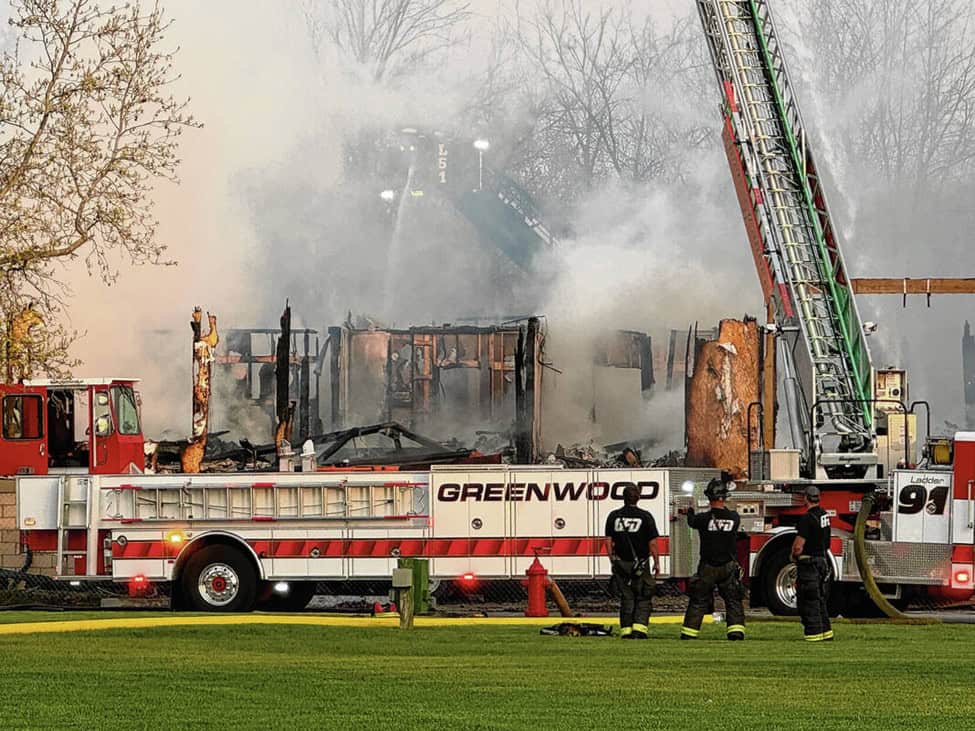
Fire crews continue overhaul operations, addressing remaining hotspots as smoke rises from the heavily damaged structure.
Property Loss & Insurance Implications
The fire caused extensive damage to the newly constructed portion of the building and impacted adjacent occupied areas. Events of this nature introduce layered exposure across both builder’s risk and operational property programs.
Key insurance considerations include:
Damage to partially completed structures and installed systems
Smoke and water damage extending into occupied areas
Tenant displacement and additional living expense exposure
Construction delays and cost escalation
Potential gaps or overlaps between builder’s risk and property coverage
From a loss prevention standpoint, this event reinforces the importance of aligning construction-phase risk controls with recognized standards such as NFPA 241, Safeguarding Construction, Alteration, and Demolition Operations; and, FM Property Loss Prevention Data Sheet 1-0, Safeguards During Construction, Alteration, and Demolition.
Critical controls include:
Strict hot work permit programs with continuous fire watch
Management and documentation of fire protection impairments
Temporary fire protection systems or early system activation
Enhanced site security and monitoring during non-working hours
Without these controls, fire events during construction can escalate quickly into high-severity losses.
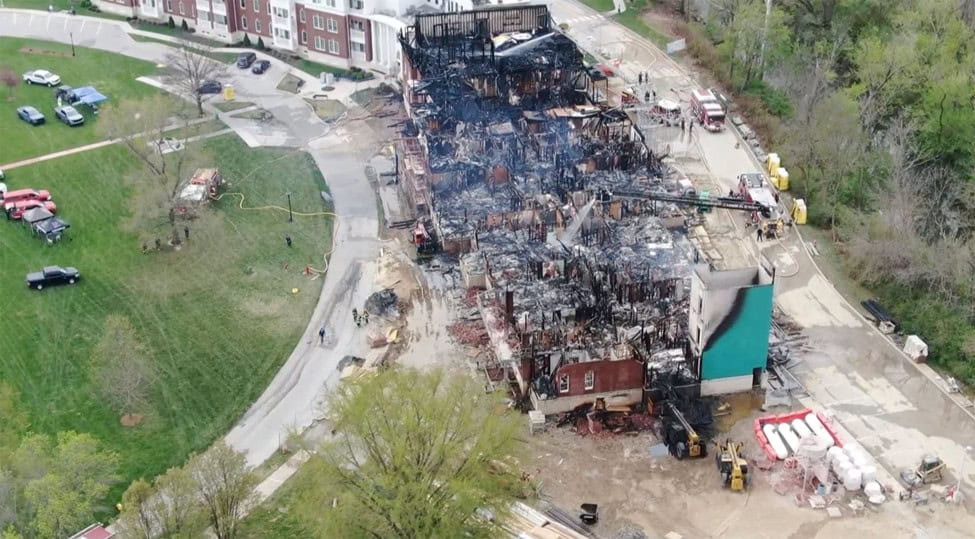
Drone footage of the charred remnants of an under-construction wing of the apartments at Compass Park.
Risk Logic Perspective: Construction Fire Risk
Construction and renovation phases represent one of the highest-risk periods in a building’s lifecycle. Risk increases not because of a single failure, but due to the simultaneous degradation of multiple protection layers.
Facilities and project teams should prioritize:
Pre-construction fire risk assessments aligned with NFPA 241 and FM DS 1-0
Daily site inspections focused on ignition sources and housekeeping
Formal impairment management protocols for any inactive systems
Early commissioning of sprinkler systems where feasible
Minimizing combustible contents within unprotected areas
Coordination between contractors, property owners, and insurers
Special attention is required when construction occurs adjacent to occupied residential or senior living facilities. In these cases, life safety exposure increases, and fire spread into occupied areas becomes a primary concern.
Risk Logic engineers help facilities identify construction-phase fire hazards and implement tailored loss prevention strategies. Contact us to evaluate fire risk controls for future or active projects.
Bottom Line
Construction‑phase fires escalate quickly due to incomplete protection systems and exposed building conditions, underscoring the risk in active building projects and the need for proactive risk management to limit loss severity.