October 25th, 2025
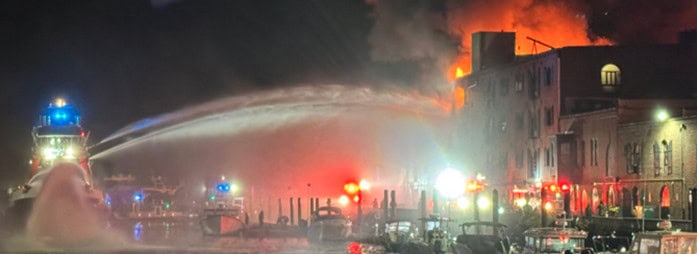
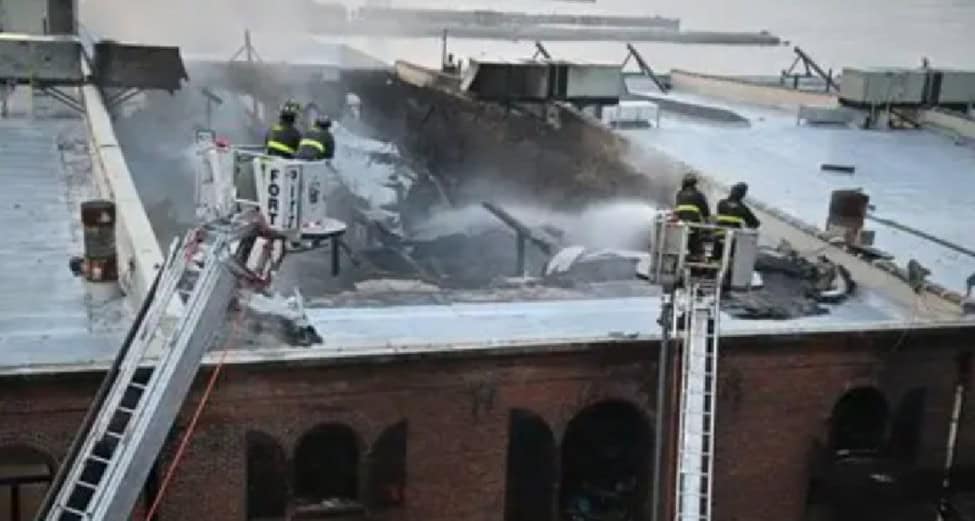
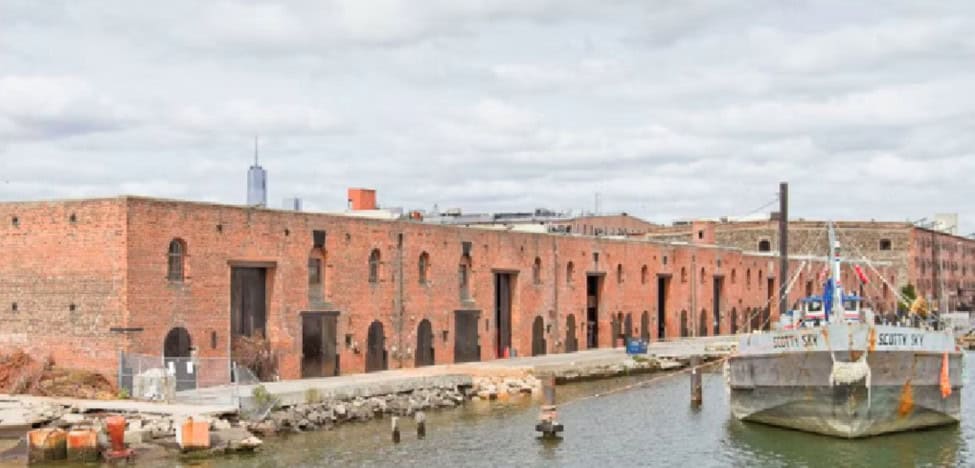
A five-alarm fire broke out in a 150-year-old waterfront warehouse in Red Hook, Brooklyn, NY, on the evening of Wednesday, September 17. Crews arrived within three minutes and mounted an exterior attack, including a fireboat operation and drone-assisted hotspot searches. The roof and fourth floor collapsed, and flames reignited within 24 hours, likely due to large timber construction, retained heat, and winds. The building, once a shipping complex, later home to artists/retail, stored a significant volume of artwork; many pieces suffered fire, smoke, and water damage. Two firefighters sustained minor injuries; no civilian injuries were reported.
Risks of Timber, Heritage, and Art-Storage Fires
- Heavy timber + voids: Large wood members can retain heat and rekindle; concealed spaces complicate overhaul and hotspot detection.
- High fuel load & combustibles in workshops: Carpentry areas (finishes, solvents, dust) increase ignition intensity and spread potential.
- High-value, smoke-sensitive contents: Fine art is uniquely vulnerable to corrosive smoke, soot, and water; even distant pieces can be damaged.
- Collapse hazard in aged structures: Roof/floor collapse forces exterior operations and complicates salvage.
Implications for Property Loss Prevention
- Automatic sprinklers are decisive: Heritage/timber buildings and art storage areas should be fully sprinklered (NFPA 13), including workshops and concealed spaces. Preaction or dry systems may be appropriate for collection areas to reduce accidental discharge risk.
- Compartmentation & detection: Fire-rated separations between workshops and storage; early-warning air sampling detection in collection zones; monitored heat/smoke detection in concealed spaces.
- Housekeeping & hot-work controls: Strict controls for woodworking, finishing, and contractor activities; Class I and II solvent management; dust collection and spark detection in ducts.
- Water damage mitigation: Pre-plan salvage with priority lists, protective wrapping, and staged supplies (poly sheeting, dunnage); consider floor drains and curbing where feasible.
- Rekindle prevention: Extended overhaul with thermal imaging, targeted demolition of smoldering members, and post-incident fire watch, especially in heavy timber. Drone/thermal imaging camera (TIC)  sweeps post-fire control.
- Access & water supply: Pre-incident plans for marine/waterfront access; verify hydrant flow, standpipe availability, and fireboat integration for exterior defense.
Practical Takeaways
- Retrofit sprinklers across the entire facility; verify coverage of concealed/attic spaces.
- Separate “dirty” operations (carpentry/finishing) from art storage with rated construction and self-closing fire doors.
- Implement a collections-specific emergency response plan (salvage priorities, staging areas, vendors on call).
- Maintain enhanced detection (including air-sampling) and continuous monitoring.
- Enforce hot-work permits, daily cleanup, and flammable-liquid storage in listed cabinets/rooms.
- After knockdown, mandate prolonged TIC monitoring and a formal fire-watch to prevent reignition.
Bottom Line
Historic timber buildings used for art storage combine high combustibility with high-value, smoke-sensitive contents. The Red Hook fire shows that sprinklers, compartmentation, strict workshop controls, and extended post-fire monitoring are essential to prevent catastrophic loss and costly rekindles.
Risk Logic, Inc. helps businesses prevent losses like the recent blaze through comprehensive on-site property loss-prevention surveys. RLI inspections evaluate Construction, Occupancy, Protection, and Exposure (COPE) factors, along with detailed fire prevention practices. Buildings equipped with automatic sprinkler systems achieve the highest level of fire protection. Contact RLI for guidance and tailored solutions to safeguard your company.