November 6th, 2025
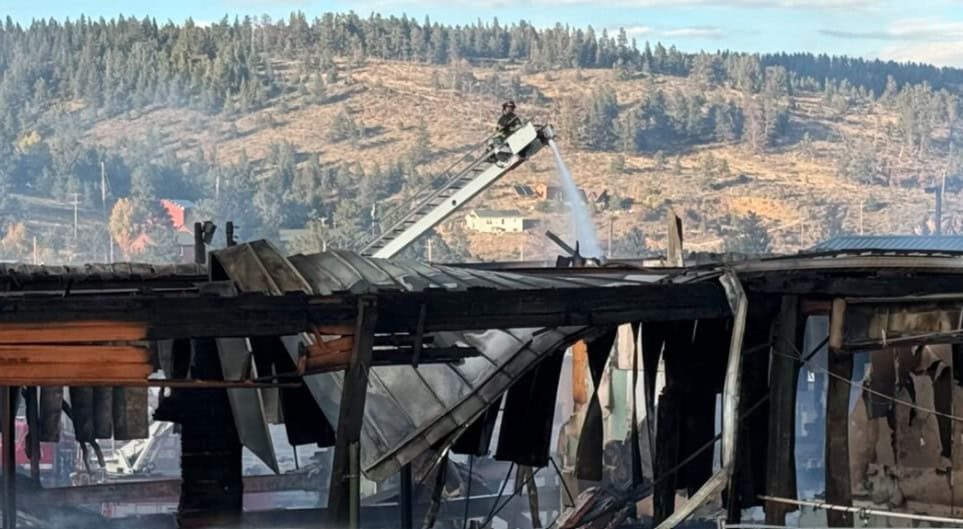
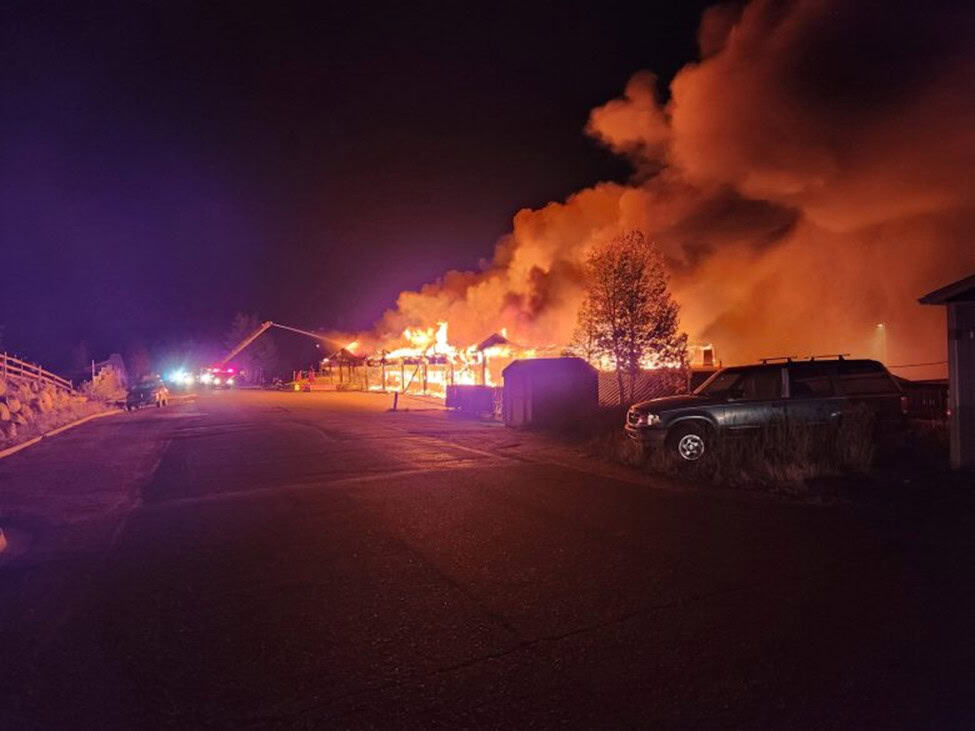
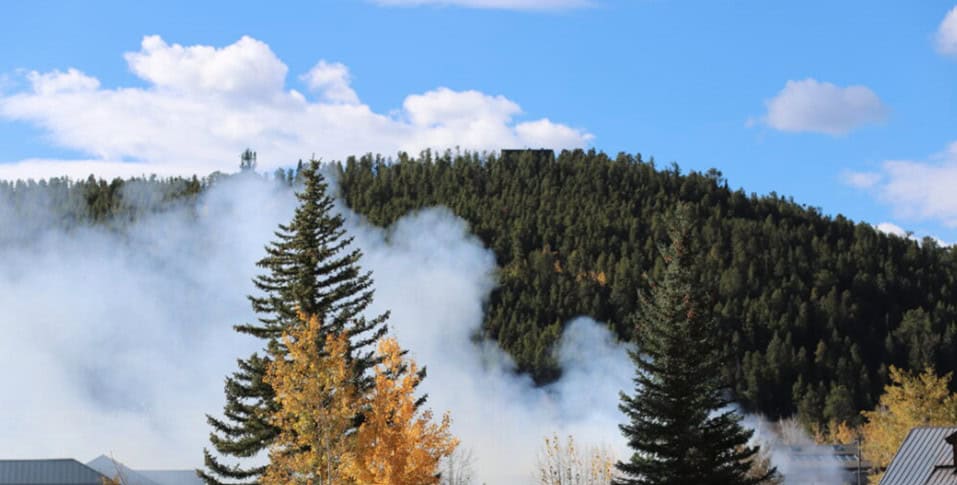
An early-morning blaze (around 3:40 a.m.) tore through a Nederland, Colorado shopping plaza on October 9, 2025, destroying ~20 tenant spaces and exhausting local water resources during suppression. This incident highlights strip-mall vulnerabilities and loss-prevention actions. Crews contained the fire before it reached nearby landmarks (e.g., the Carousel of Happiness). Cause remains under investigation, no indication of arson at this time. Economic impacts include displacement of 60–70 workers and an estimated 15–30% hit to local sales-tax revenue. The town is easing zoning to allow temporary structures while businesses relocate and rebuild.
Risks of shopping-center fires
- Common attics & concealed spaces: Fire and smoke can race above tenant separations when head-of-wall joints, draft stops, or firestopping are incomplete or degraded.
- Mixed occupancies: Brewing, outdoor gear, yoga/fitness, restaurants, and retail each introduce distinct ignition sources and fuel profiles (cooking, aerosols/LP-gas/solvents, high plastic packaging).
- After-hours ignition & detection lag: Overnight growth can outpace manual discovery, especially if detection/notification is limited to individual suites.
- Water supply constraints: Mountain towns may face lower available flow, long hose lays, or tender operations, slowing effective application rates.
- Roof system vulnerabilities: Lightweight wood or unprotected steel roof systems can fail early, limiting interior attack and complicating salvage.
Implications for property loss prevention
- Compartmentation:
- Maintain and document rated tenant and attic separations; install/repair draft curtains per the original design intent.
- Seal all penetrations (MEP, low voltage) with listed systems; verify wall rating continuity. (NFPA 101; IBC/IFC fire-resistance continuity)
- Fire detection & notification:
- Provide building-wide monitored detection with off-hour notification to site reps and the fire department; consider multi-criteria detection in tenant spaces with nuisance potential. (NFPA 72)
- Automatic sprinklers:
- Confirm full-coverage protection, including concealed spaces where required; verify design criteria against actual commodities (plastics, aerosols, alcohol) and hazards. (NFPA 13; FMDS 8-9/8-1)
- For breweries/food tenants, confirm protection for COΓéé rooms, keg/fermentation areas, coolers, and cooking operations (UL300 kitchen systems; hood/duct per NFPA 96).
- Water supply & pre-incident planning:
- Validate hydrant flow/pressure and duration for the sprinkler + hose demand; where inadequate or marginal, add on-site tanks/pumps or pre-plan tender operations with mutual aid. (NFPA 1620; FMDS 3-26)
- High-hazard merchandise:
- Control and segregate aerosols, LP-gas cylinders, solvents, and flammable/combustible liquids; apply NFPA 30/30B and FM guidance for storage height, quantities, and separation.
- Construction/renovation controls:
- Enforce hot-work permits, impairment plans, and daily housekeeping during any tenant buildouts. (NFPA 241; FMDS 2-81/10-3)
- Utilities & roof risk:
- Map and label gas/electrical shutoffs per suite; maintain clear roof access and parapet identification; remove idle combustibles from roofs.
Practical takeaways
- Audit now: Verify sprinkler coverage (including concealed spaces) and water supply against today’s tenants and commodities, not the original permit set.
- Close the “attic highway”: Inspect firestopping, draft curtains, and fire-resistance continuity above demising walls; fix gaps immediately.
- Unify detection/notification: Connect all suites to a central, monitored system with after-hours call lists and rapid response protocols.
- Harden high-hazard tenants: Re-layout storage, limit quantities, and upgrade protection for aerosols, LP-gas, solvents, and commercial cooking.
- Pre-plan with the AHJ: Conduct joint walk-throughs to confirm hydrant/tender strategy, access, and shutoff locations; share updated site plans.
- Renovation discipline: Require permits for hot work and enforce impairment management any time systems are offline.
Bottom line
Strip-mall fires escalate fast when concealed spaces, mixed hazards, and thin water margins align. Proactive compartmentation, commodity-accurate sprinkler design, unified detection/notification, and water-supply planning are the levers that prevent a multi-tenant loss from becoming a community-scale catastrophe.
Please contact RLI to learn how we can help safeguard your mall or business.