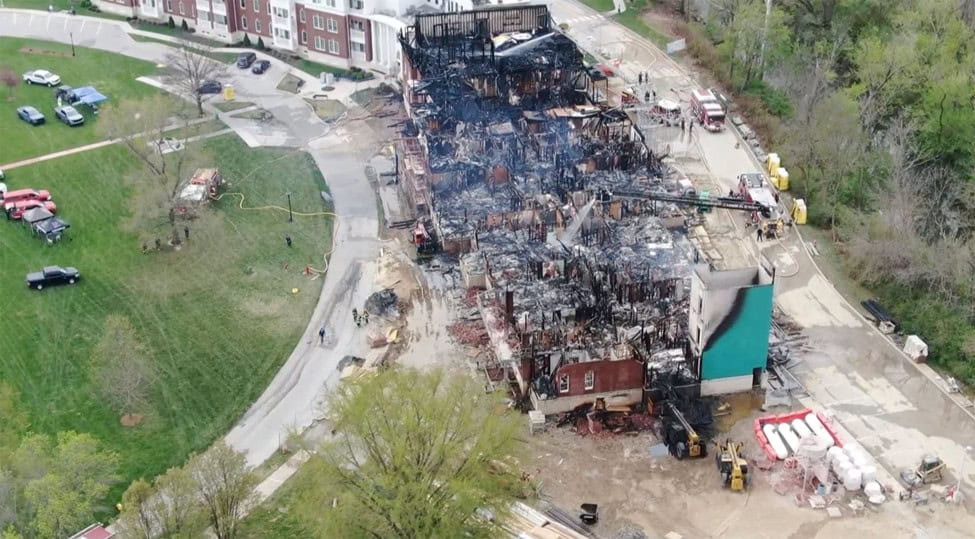
A tire warehouse fire in Prineville, Oregon, underscored the High Fuel Load and Suppression Challenges associated with rubber storage as crews arrived to find flames already reaching structural elements of the building. Thanks to a rapid response from Crook County Fire & Rescue and mutual aid partners, the fire was contained within about 45 minutes, preventing full involvement of the 17,500‑square‑foot facility.
The fire was contained within approximately 45 minutes, preventing full involvement of the 17,500-square-foot facility. No injuries were reported, and damage was limited.
The Prineville tire warehouse fire highlights the elevated fire risk associated with rubber storage occupancies and reinforces the importance of early detection and suppression in high fuel load environments.
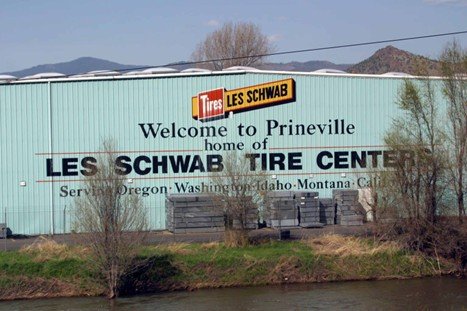 Tire warehouse in Prineville, Oregon.
Incident Overview & Risk Factors
Fire crews arrived at a developing interior fire with flames already impinging on structural components, indicating that the fire had progressed beyond the incipient stage prior to intervention. Early structural involvement is a critical escalation point in warehouse fires and often signals increased losses.
Tire storage presents a uniquely challenging fire scenario due to both material composition and storage configuration. Rubber products contain petroleum-based compounds that support sustained combustion and high heat release rates. When stored in bulk or stacked configurations, tires can trap heat and allow concealed fires to spread.
Key contributing risk factors in this event include:
High fuel load from stored rubber inventory
Potential for concealed fire spread within stacked tires
Early structural exposure prior to suppression
Limited visibility conditions due to dense smoke generation
While this incident was controlled quickly, similar conditions have historically resulted in large-scale losses when detection or response is delayed.
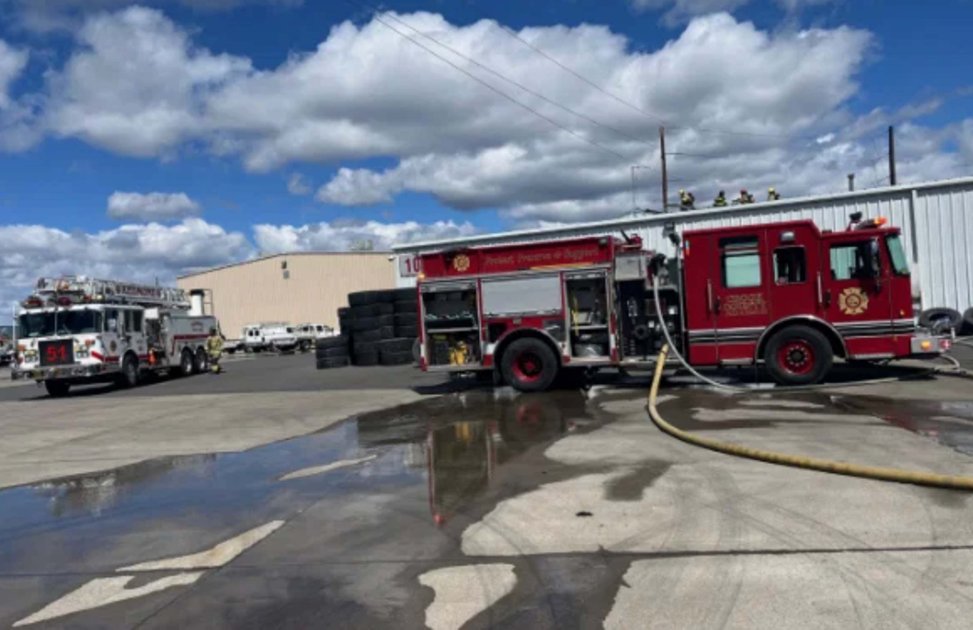 Fire crews stage apparatus outside the warehouse as suppression efforts continue to prevent the fire from spreading.
Property Loss & Insurance Implications
This event represents a near-miss scenario from a property and insurance perspective. Tire warehouse fires often result in severe structural damage, total inventory loss, and extended business interruption due to the difficulty of extinguishment and cleanup.
From an underwriting and risk engineering standpoint, tire storage facilities should be treated as high-hazard occupancies requiring enhanced protection strategies. FM and NFPA guidance emphasize the importance of proper sprinkler design, storage arrangements, and fire department access.
Key loss considerations include:
Structural damage driven by high heat release rates
Concentrated inventory values increase content loss exposure
Extended business interruption due to cleanup and re-racking
Environmental impacts from smoke and runoff contamination
Recommended prevention and mitigation measures include:
Install properly designed automatic sprinkler systems for tire storage
Limit storage heights and maintain adequate aisle spacing
Implement early detection systems, including heat and smoke detection
Maintain clear fire department access and pre-incident planning
Conduct routine inspections of storage configurations and protection systems
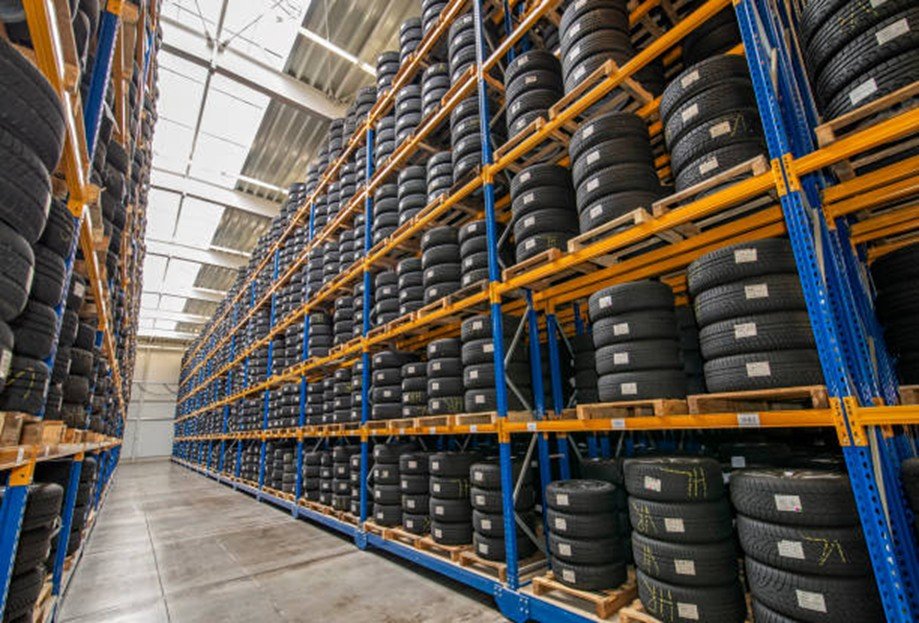 An interior view of a tire warehouse highlights the dense storage conditions and the significant combustible fuel load present in such facilities.
Risk Logic Perspective: High-Challenge Storage
Facilities that store tires should treat fire protection as a critical risk management priority rather than a compliance exercise. The combination of high fuel load and difficult suppression characteristics creates a narrow margin for error.
Regular risk assessments should evaluate storage practices, sprinkler adequacy, and detection capabilities against current FM and NFPA standards. Facilities should also review emergency response coordination to ensure rapid intervention during the early stages of a fire.
Preventive maintenance programs must verify system reliability, particularly for sprinklers and detection systems that serve as the first line of defense. Even short delays in activation can materially increase loss severity in this occupancy class.
Risk Logic engineers help facilities identify fire hazards and implement tailored loss prevention strategies. Contact us to evaluate fire protection systems and reduce exposure in high-risk storage environments.
Bottom Line
Fires in tire storage facilities escalate quickly, and loss outcomes are largely determined by how early the fire is detected and controlled.