September 19th, 2025
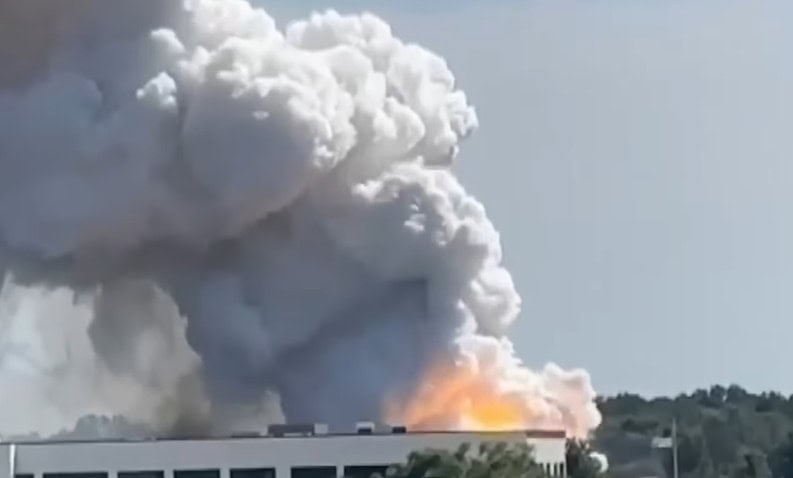
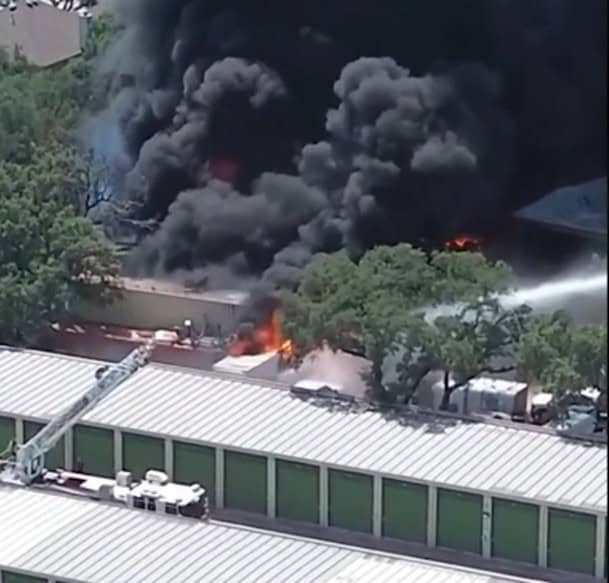
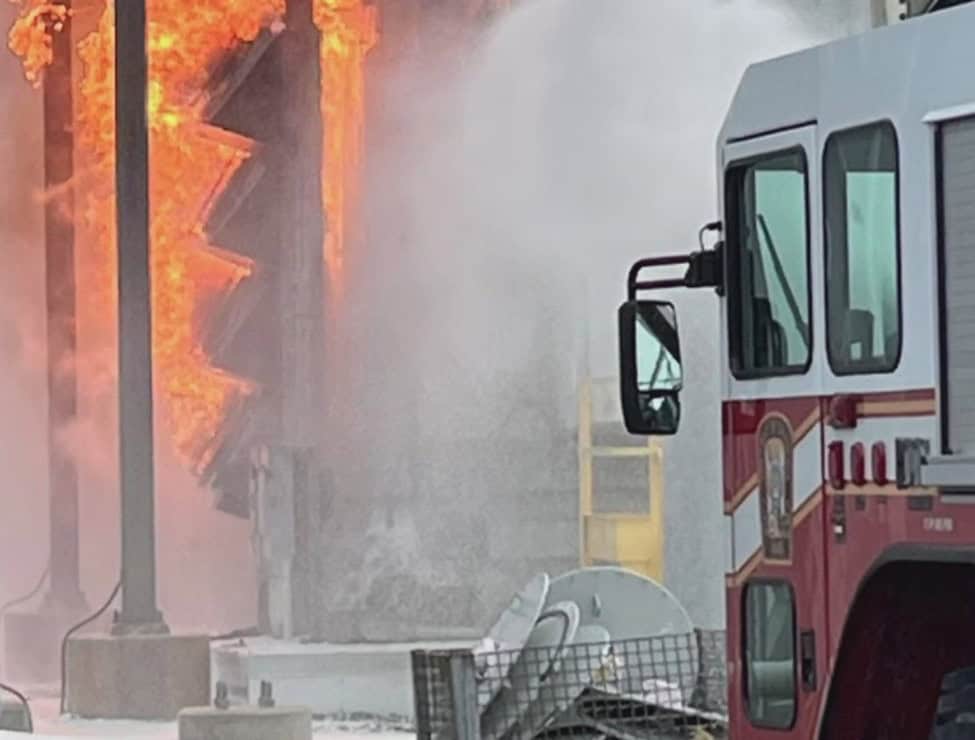
A chemical fire erupted at a Vann Road facility in Warrick County, Indiana, on Saturday, September 6, 2025, around 2:40 p.m. The site handles metal plating operations, and the blaze involved combustible metals including magnesium, zinc, and aluminum. Explosions in the area prompted authorities to issue a shelter-in-place order and temporarily shut down power as a precaution. Fire crews from the Ohio Township Fire Department, Vanderburgh County Emergency Management, and multiple rescue units responded quickly, with the Red Cross providing support. This unfortunate event highlights the risks of combustible metals.
Environmental agencies tested the air, water, and ash following the fire. No hazardous pollutants were detected above background levels in the air or drinking water, though runoff into nearby Vann Lake required further evaluation. Ash samples showed high alkalinity, and nearly 100 homes, schools, and daycares were affected by potential exposure. Local responders also evacuated staff and animals from the county humane society. Fortunately, no one reported any injuries. The exact ignition source remains under investigation.
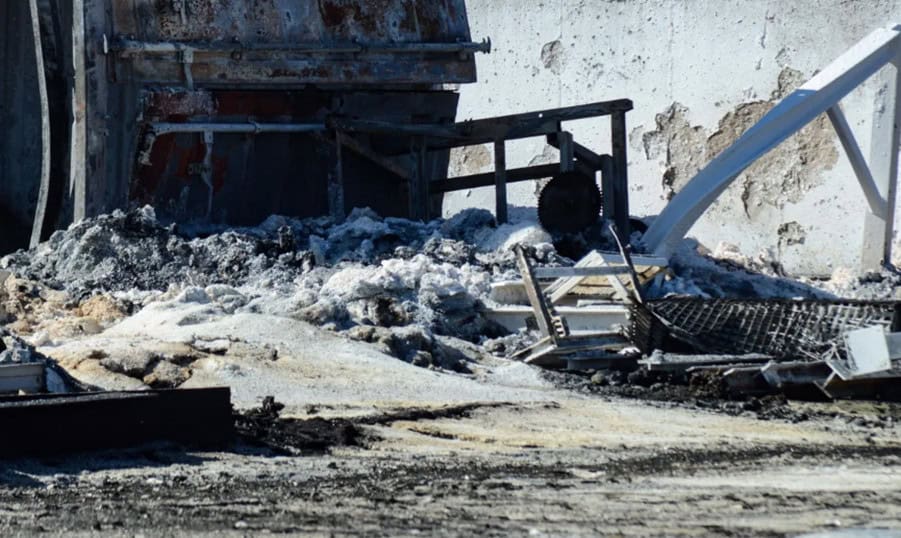
Risks of Combustible Metals
Combustible metals pose unique fire hazards because they can burn at extremely high temperatures and react dangerously with water. Standard suppression methods may intensify the flames instead of controlling them. Fires involving magnesium, aluminum, or zinc require specialized extinguishing agents such as Class D dry powders. Without proper systems or planning in place, these fires can spread quickly and create significant challenges for first responders.
Implications for Property Loss Prevention
For facilities engaged in chemical and metal processing, events like this underscore the need for thorough hazard analysis and prevention measures. Inadequate fire separation, improper storage of combustible materials, or gaps in emergency planning can increase losses and extend downtime. Property insurers and risk managers should confirm that these operations are supported by:
- Fire suppression systems designed for combustible metals
- Segregation of hazardous materials from other processes
- Strict hot work permitting and supervision
- Emergency procedures that address evacuation and fire service response
Practical Takeaways
Even when no injuries occur, chemical fires create wide-reaching consequences including evacuations, environmental concerns, and disruption to businesses and homes. Annual risk assessments, compliance with FM and/or NFPA standards, and preventive maintenance programs are essential to reduce ignition potential and improve facility resilience.
Risk Logic engineers support chemical and manufacturing facilities with fire protection and loss prevention strategies tailored to combustible metal hazards. Our inspections and programs help safeguard property, protect employees, and limit community impact. Contact us to schedule a property risk assessment or to discuss customized solutions for your facility.
Bottom Line: Fires involving combustible metals demand specialized protection and planning, and even small ignition sources can escalate into major property and community risks.