January 16th, 2026
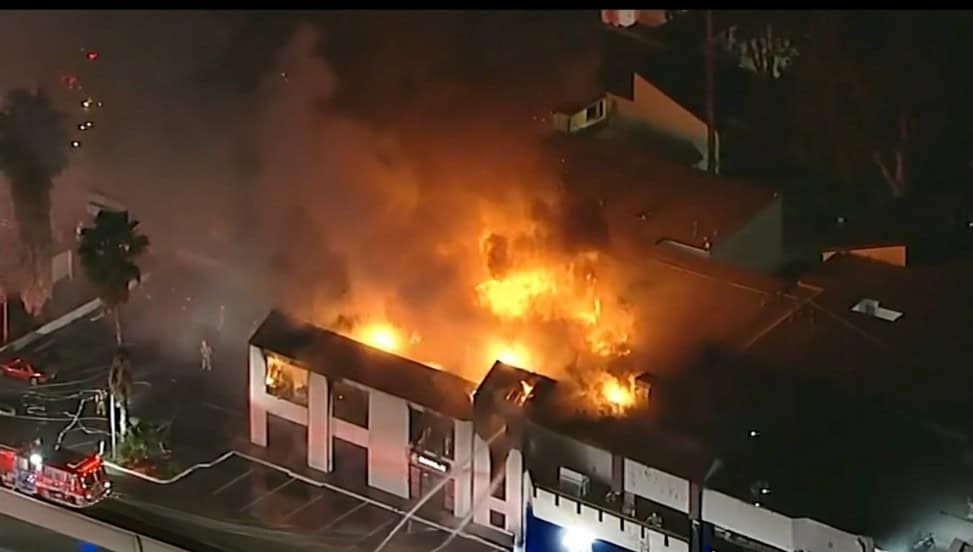
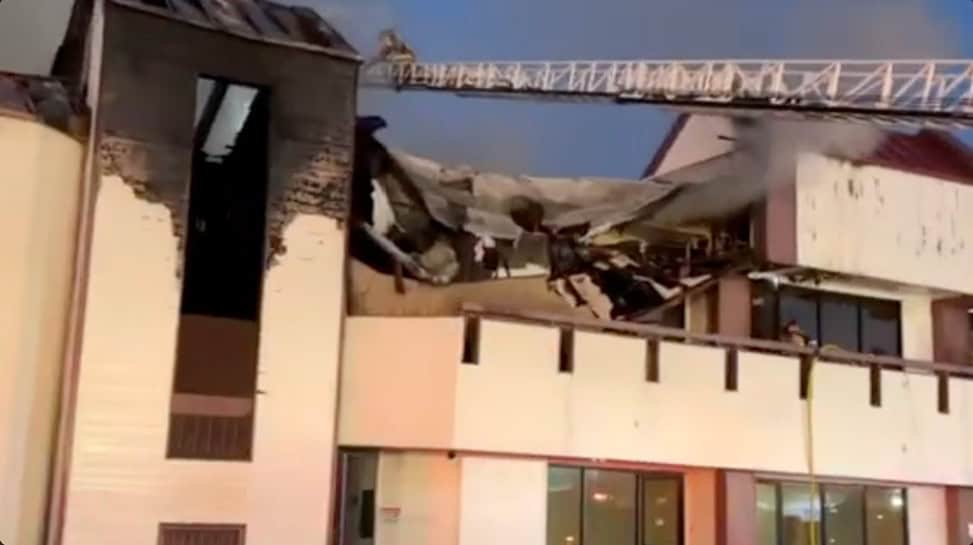
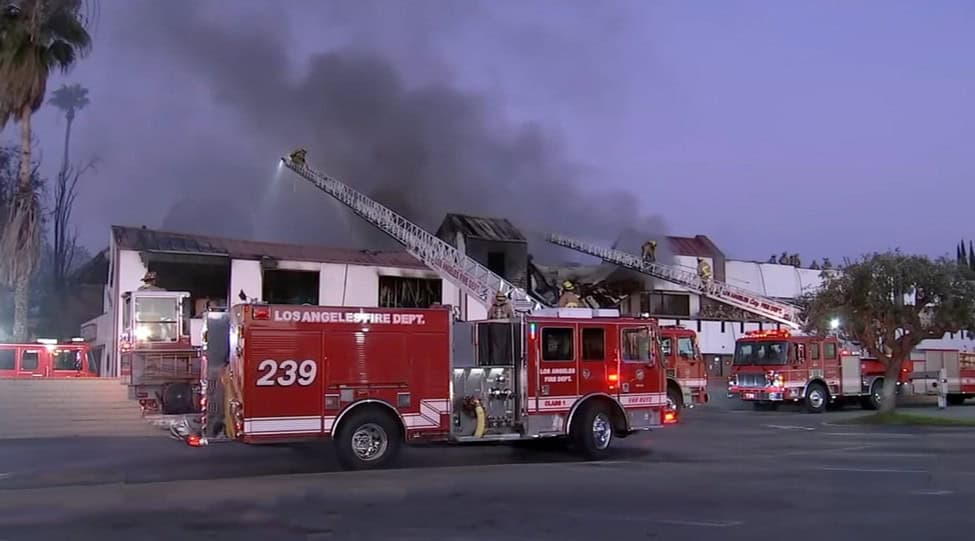
In the early morning hours of January 13, 2026, a Winnetka commercial building fire highlighted exposure risks from nearby buildings. The fire damaged a two‑story commercial building on the 20000 block of West Sherman Way in Winnetka. Dispatchers sent Los Angeles Fire Department units around 5:10 a.m. Crews arrived to heavy fire on both floors. Deteriorating structural conditions and a partial collapse forced incident commanders to shift parts of the operation to defensive tactics. Crews maintained offensive operations at the rear to limit extension.
More than 120 firefighters used ladders and multiple hose lines to control the fire. Crews knocked down the flames shortly after 7:00 a.m. Officials red‑tagged several office units pending structural evaluation, and investigators continue to examine the cause.
Why the Fire Escalated
A convergence of building‑related vulnerabilities drove the scale of damage, not a single failure point.
The fire occurred during pre-business hours, which may have allowed it to burn undetected long enough to involve multiple compartments before notification. Early-morning fires in commercial occupancies can reach advanced stages before fire department arrival, particularly where automatic detection coverage is limited or absent.
Structural degradation during suppression played a critical role. The partial collapse forced crews to abandon interior attack in portions of the building, limiting direct access to seat-of-fire areas and allowing continued burning until defensive streams could fully control conditions. This underscores the risk profile of older commercial office buildings with unknown fire-resistance ratings, unprotected structural members, or compromised load paths.
Mixed tenant configurations and potential internal storage likely increased fuel loading and contributed to uneven fire development. Without effective compartmentation or fire-rated separations, horizontal and vertical fire spread becomes difficult to contain once suppression access is restricted.
Implications for Property Loss Prevention
For property owners, insurers, and risk engineers, the Winnetka fire underscores several recurring loss drivers for small- to mid-sized commercial office buildings.
Structural fire resistance and compartmentation remain foundational controls. Buildings with inadequate fire-rated floor assemblies, tenant separations, or protected structural elements are significantly more vulnerable to collapse and total loss once fire reaches flashover conditions.
Detection and notification systems are equally critical. Fires that start during low-occupancy periods require early warning through monitored fire alarm systems to reduce burn time before fire department intervention.
Urban exposure management also warrants attention. Even without flame extension, evacuation of adjacent residential occupancies highlights the exposure potential of closely spaced buildings, which directly influences loss severity and business interruption.
Practical Takeaways
Facilities with similar risk profiles should prioritize the following actions to reduce loss potential:
- Conduct periodic structural and fire-resistance assessments, especially for older office buildings or those with renovations.
- Ensure fire alarm systems are continuously monitored and tested, with detection coverage aligned to NFPA 72.
- Review tenant uses regularly to identify changes in fuel load, storage, or utility configurations that elevate ignition risk.
- Perform pre-loss planning with local fire departments to document access points, collapse concerns, and exposure risks.
- Verify adequate water supply and hydrant flow capacity for extended defensive operations.
Risk Logic engineers assist property owners and insurers in identifying structural vulnerabilities, evaluating fire protection systems, and implementing targeted loss prevention strategies for commercial office occupancies. Contact Risk Logic today for an evaluation of your commercial property.
Bottom Line
Early-morning office building fires combined with limited structural fire resistance and delayed detection can quickly escalate into collapse-driven losses with significant exposure implications.
Resources
https://www.nbclosangeles.com/news/local/firefighters-battling-structure-fire-in-winnetka/3830836
https://ktla.com/news/local-news/firefighters-battle-major-emergency-blaze-at-reseda-office-building