January 9th, 2026
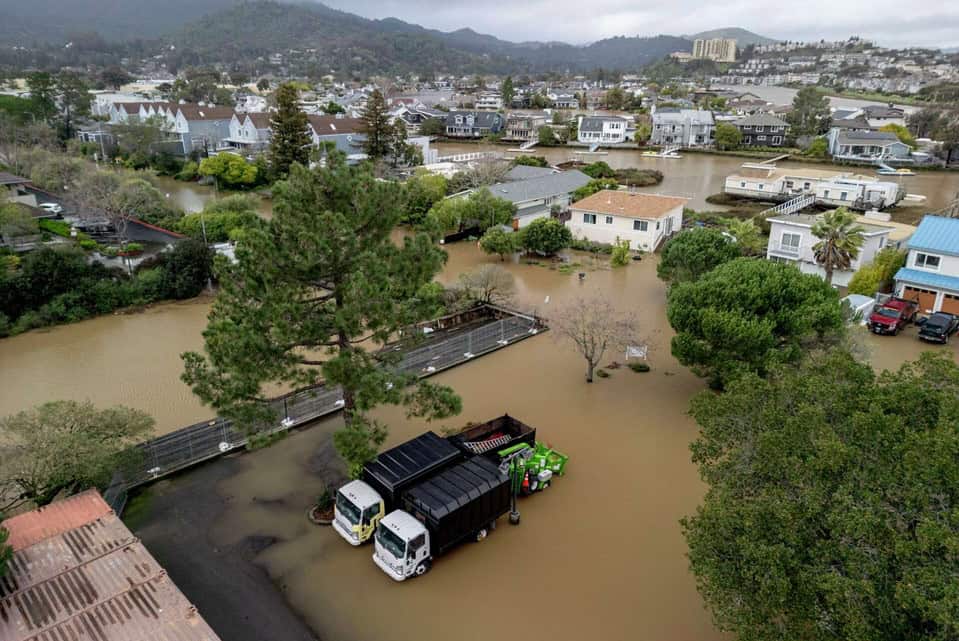
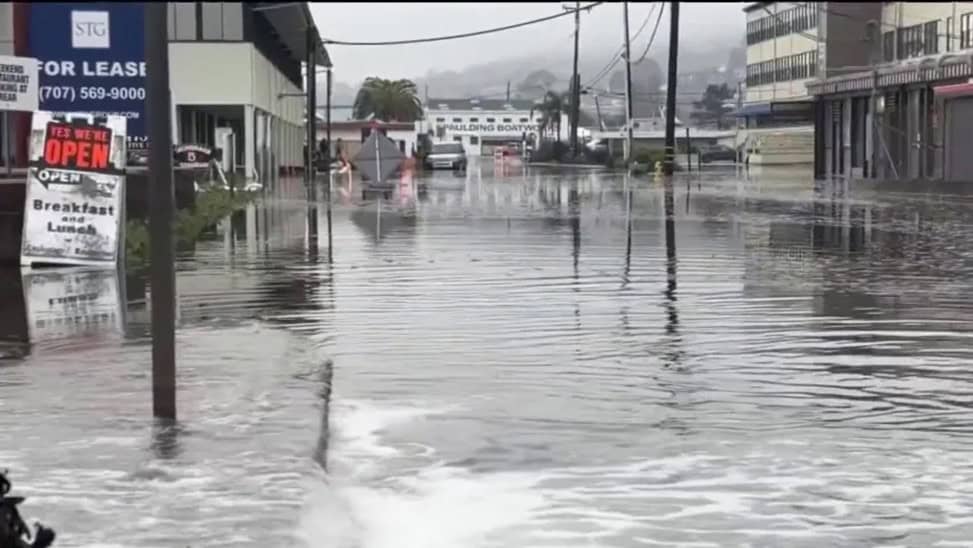
From January 3–5, 2026, heavy rainfall combined with near‑record king tides across the San Francisco Bay Area. The event underscored the growing importance of Coastal Storm Flooding Property Loss Prevention for communities facing compound tide‑and‑storm conditions. Marin County was among the most impacted locations. Communities including Corte Madera, Sausalito, San Rafael, Mill Valley, and Santa Venetia saw widespread flooding. Floodwaters inundated streets, commercial areas, and residential neighborhoods with 2 to 3 ft. of water in low‑lying zones. Elevated bay water levels overtopped stormwater systems as drainage outfalls submerged. Aging levee infrastructure added to the severity of the flooding. Emergency responders closed roads, issued public safety warnings, and deployed sandbags to slow advancing water. Emergency officials confirmed there were no injuries. Even so, the flooding disrupted transportation corridors, commerce, and access to critical services throughout the region.
Drivers Behind the Marin County Flooding Event
This event escalated because multiple high-risk drivers aligned simultaneously, rather than from a single point failure.
A Pacific storm delivered heavy rainfall to already saturated ground, accelerating surface runoff into storm drains, creeks, and adjacent bay neighborhoods. At the same time, king tides raised baseline water levels in San Francisco Bay and its connected waterways, significantly reducing the capacity of gravity-based drainage systems to discharge stormwater. Strong winds and storm surge further pushed bay waters inland, increasing hydraulic pressure on levees and shoreline defenses.
In Marin County, aging flood-control infrastructure exacerbated the impact. At least one levee constructed in the 1980s was overtopped or breached, allowing floodwaters to migrate rapidly into developed areas. Once drainage outfalls were submerged, water pooled in streets, parking areas, and ground-floor occupancies, prolonging inundation even after rainfall subsided.
See the approximate flood level by using the Marin Sea Level Rise Viewer and on the left-side menu, toggle the layer for "10 inches (0.8 ft) + 100-yr storm surge." This approximates the ~3-foot total surge seen during the peak.
Implications for Coastal Flood Loss Prevention
Property owners, risk managers, and insurers should treat this event as a stress test for coastal flood resilience and adjust risk strategies accordingly:
- Ensure flood hazard assessments reflect combined storm rainfall, storm surge, and extreme tide scenarios.
- Evaluate drainage systems for performance when gravity discharge is unavailable.
- Assess levees, floodwalls, and perimeter defenses for age, condition, and freeboard adequacy.
- Verify that critical equipment, electrical systems, and life safety infrastructure are elevated or protected above projected flood levels.
These measures align with FM flood loss prevention guidance and NFPA principles addressing continuity of operations and protection of critical infrastructure.
Practical Property Loss Prevention Takeaways
- Incorporate king tide forecasts into facility preparedness and operational decision-making.
- Install or upgrade backflow preventers and consider pump-assisted drainage for low-elevation sites.
- Elevate or floodproof critical utilities, IT rooms, and ground-floor occupancies.
- Conduct routine inspections of levees, flood barriers, and drainage infrastructure, especially older systems.
- Update emergency response and business continuity plans to account for access limitations and prolonged inundation.
Risk Logic engineers support organizations by identifying flood vulnerabilities, evaluating infrastructure performance, and implementing targeted, engineering-based loss prevention strategies. Contact Risk Logic today for a natural peril review of your site.
Bottom Line
The flooding in Marin County confirms that coastal flood risk is real, and facilities that fail to adapt their drainage and flood defenses to combined tide-and-storm scenarios will continue to incur avoidable losses.