December 31st, 2025
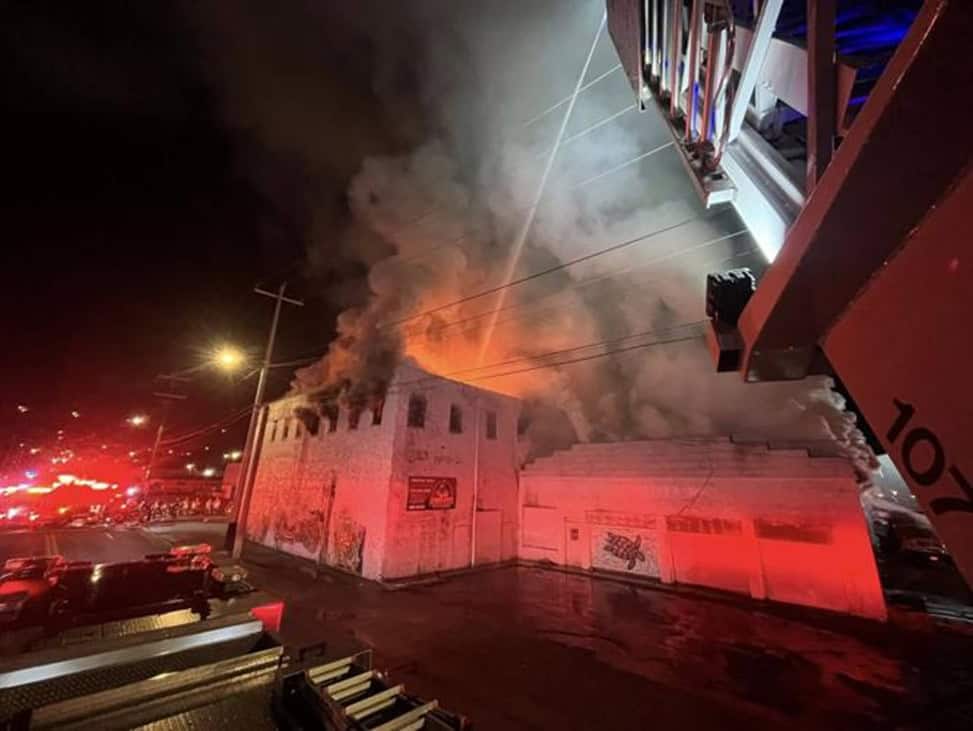
Late on December 16, 2025, a two‑alarm fire destroyed a hardwood and lumber facility on East Main Street near South Watkins Street in downtown Chattanooga, Tennessee. Dispatchers sent Chattanooga Fire Department units around 10:42 p.m. They arrived to find heavy fire conditions, with flames already penetrating the roof. Dense smoke spread across the surrounding neighborhood. Combustible storage and construction vulnerabilities intensified the fire, as high fuel loading and early structural compromise drove rapid growth. Crews quickly shifted to a defensive strategy using aerial master streams. Municipal crews increased water pressure to support sustained operations. Utility personnel secured power to the area to ensure firefighter safety.
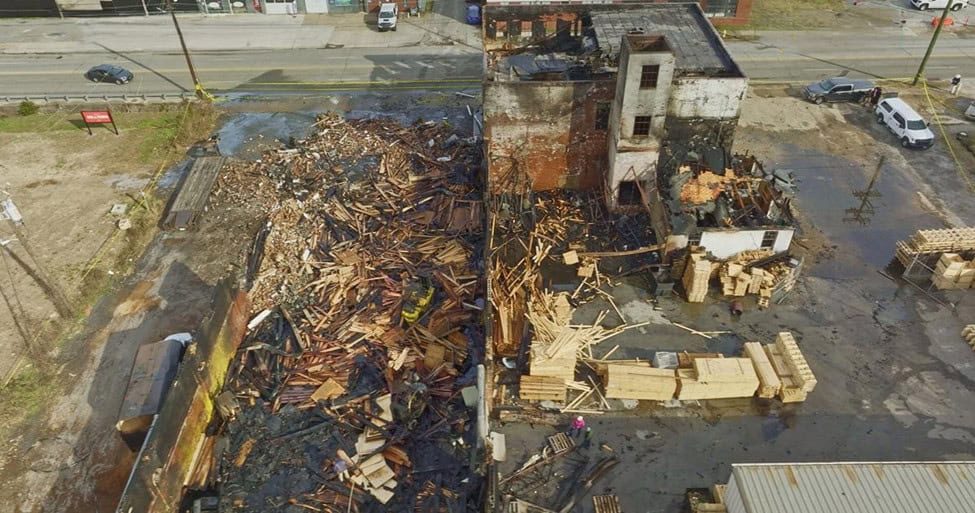
The fire resulted in a total loss of the office, warehouse, and storage areas. The estimated damage is approximately $500,000 to buildings, equipment, and inventory. Firefighters temporarily evacuated a nearby 2┬╜‑story apartment building after smoke infiltrated the structure. Firefighters established collapse zones as they worked overnight to extinguish deep‑seated hot spots. They also used heavy equipment during overhaul. Officials reported no civilian or firefighter injuries. Investigators are still working to determine the cause of the fire.
Common Exposure Factors & Fire Behavior Observations
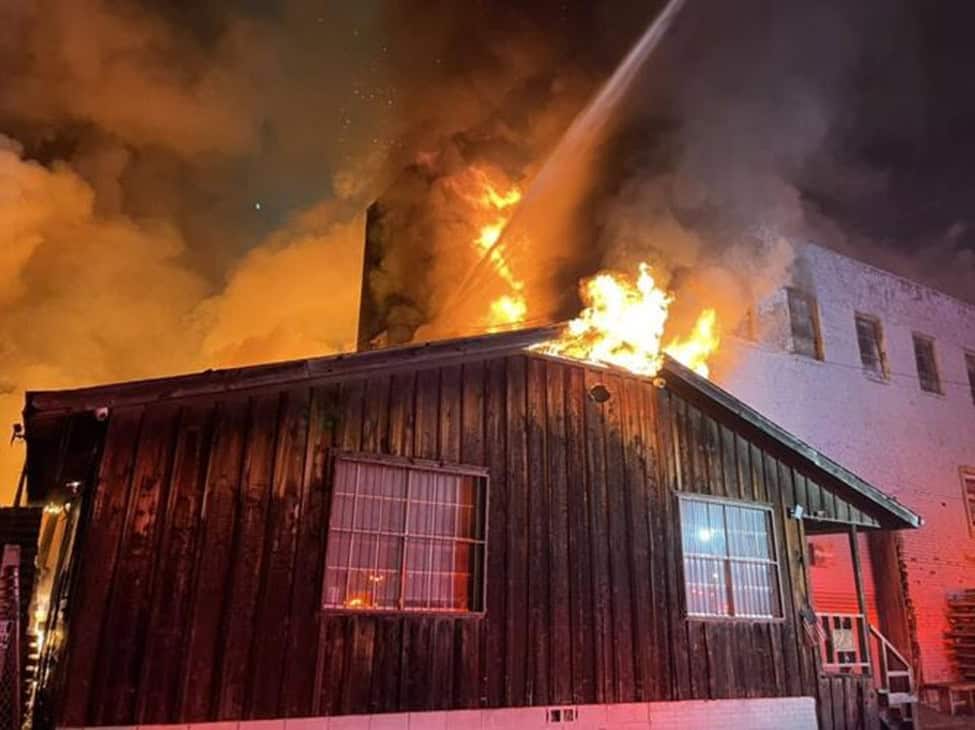
The rapid escalation of this fire reflects a well-documented risk profile for lumberyards and wood product facilities. Large volumes of Class II–IV commodities were stored in continuous arrangements. Idle wood pallets were adjacent to the structure, creating an uninterrupted and highly efficient fuel load. Once ignition occurred, the surface area and density of the stacked lumber enabled high heat‑release rates. This drove rapid fire growth and flame spread.
The building’s open layout and storage areas likely limited effective compartmentation. This allowed heat and smoke to move freely throughout the structure. Early roof involvement indicates that roof assemblies were exposed to sustained heat before suppression could be effective. As structural integrity deteriorated, interior firefighting operations became unsafe, forcing crews into a defensive posture. Exterior master streams, while necessary under the conditions, are inherently limited in their ability to penetrate deep‑seated lumber fires. This limitation increases the overall extent of loss.
Implications for Property Loss Prevention
For property owners, insurers, and risk managers, this incident reinforces several recurring loss drivers associated with lumber and wood product occupancies:
- Continuous fuel loads: Large, uninterrupted piles of lumber significantly increase fire severity and reduce the likelihood of successful manual suppression.
- Construction and roof vulnerability: Non-fire-resistive construction and unprotected roof assemblies are prone to early failure when exposed to prolonged high heat release rates.
- Lack of automatic protection: Facilities without automatic sprinkler systems or fire-rated separations are more likely to experience total losses once fires become established.
- Exposure to adjacent properties: Smoke infiltration and evacuation of nearby residential occupancies demonstrate the broader exposure risks posed by combustible storage in mixed-use environments.
FM and NFPA guidance consistently emphasize the need for controlled storage arrangements, adequate separation distances, and fire protection features that reflect the combustible nature of lumber inventories. Where these measures are absent, loss potential escalates rapidly.
Practical Takeaways
To reduce the likelihood and severity of similar losses, facilities storing or processing lumber should consider the following actions:
- Limit pile sizes and provide clear separation between indoor and outdoor lumber storage areas.
- Incorporate fire-rated walls, draft curtains, or compartmentation to restrict horizontal fire spread.
- Evaluate the feasibility of automatic sprinkler protection designed for wood product hazards.
- Ensure roof assemblies and structural elements are appropriate for expected fire loads.
- Conduct regular inspections and pre-incident planning with local fire departments, particularly where exposures to neighboring properties exist.
Risk Logic engineers help facilities assess combustible storage hazards, construction vulnerabilities, and fire protection strategies to reduce the potential for property loss and improve insurability. Contact Risk Logic today for more information.
Bottom Line: Lumberyards with high fuel loads and limited fire separation remain at elevated risk for rapid fire spread and total property loss when effective protection and storage controls are not in place.
Resources
https://chattanooga.gov/stay-informed/latest-news/lumberjacks-hardwood-center-two-alarm-fire
https://www.chattanoogan.com/2025/12/17/512528/Firefighters-Battle-2-Alarm-Fire-At.aspx
https://www.timesfreepress.com/news/2025/dec/17/fire-destroys-east-main-street-building-in