November 24th, 2025
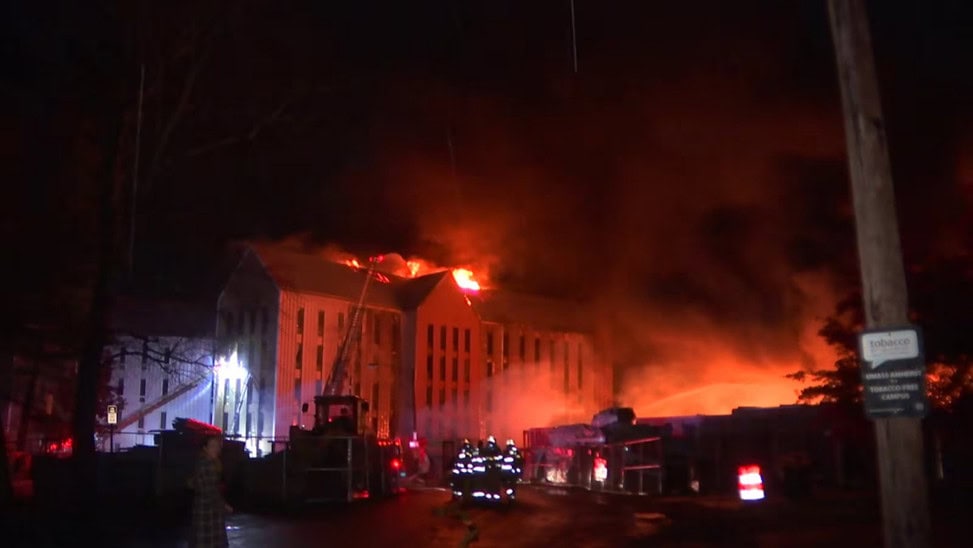
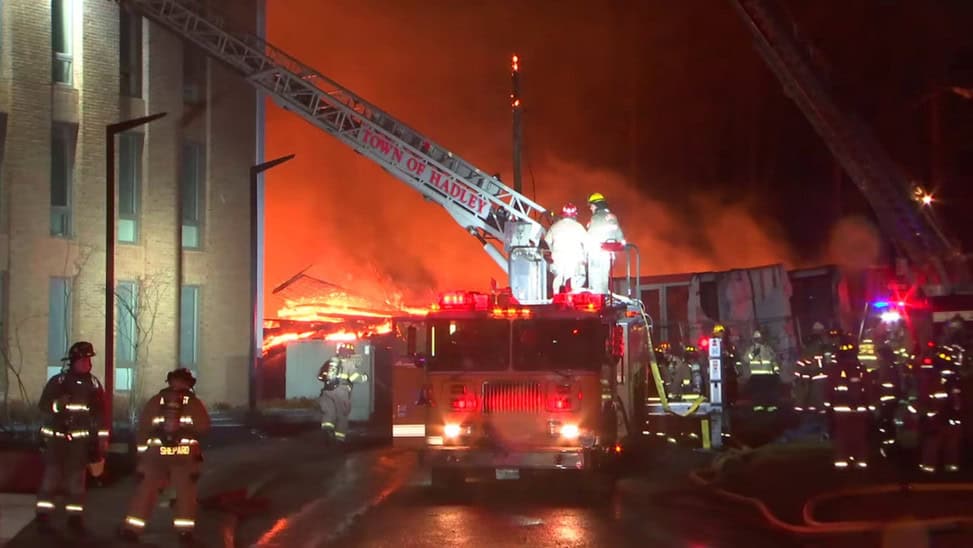
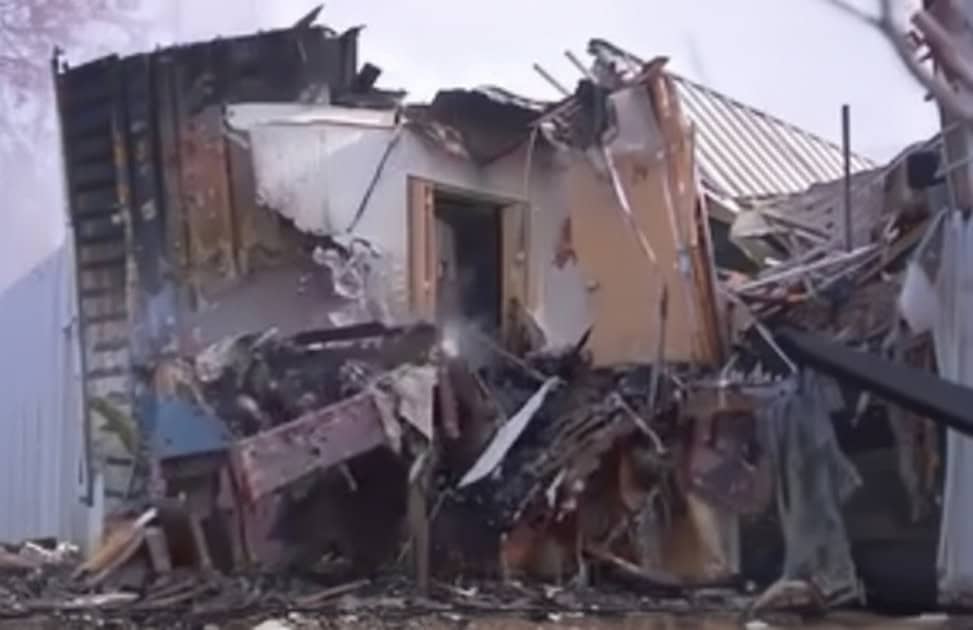
A late-night construction-site fire on November 8, 2025, destroyed a five-story wood-frame apartment building under construction on Olympia Drive in Amherst, Massachusetts. The 68-unit, 100,000-square-foot building at 47 Olympia Drive was operating under an active NFPA 241 Construction Fire Safety Plan. Despite these measures, the construction site fire spread flames rapidly to the neighboring 57 Olympia Drive building, where the sprinkler system activated as designed, but it was not intended to stop an exterior fire of this magnitude. More than 220 UMass students evacuated safely, and no injuries were reported.
Fire crews drew from multiple hydrants and mutual-aid tankers, deploying an estimated 2.5 million gallons of water to contain the incident, a volume roughly equivalent to the town’s daily water consumption.
Why the Fire Spread
Early indications suggest the proximity of an active construction zone to an occupied residential building created compounding exposures. Open framing, temporary utilities, and combustible building materials likely accelerated flame growth at the construction site. Once the fire reached the apartment building, exterior façades and any unenclosed voids may have allowed vertical and horizontal extension. Large volumes of exposed combustible surfaces, combined with wind and limited compartmentation at the construction interface, created rapid fire propagation. Suppression operations also faced water demand challenges due to both the scale of the incident and the need to protect multiple exposures simultaneously. These conditions reflect common vulnerabilities when construction activities occur adjacent to high-density occupancy structures without robust separation controls.
Implications for Property Loss Prevention
The incident reinforces the heightened loss potential inherent in mixed-use zones where construction and active residential operations run in parallel. For insurers and risk managers, this underscores the importance of enforcing NFPA 241 and FM Property Loss Prevention Data Sheet 1-0 construction site safety requirements and recommendations. Adequate separation, surveillance, and hazard controls must be in place well before combustible construction phases begin. Site security, hot work governance, and temporary protection systems directly influence how quickly a fire can escalate to an adjacent exposure. High-occupancy buildings also require clear evacuation planning and coordination with local fire services when construction is underway nearby. When separation distances are limited, enhanced detection and strategically located standpipes or hydrants become vital to manage elevated water supply needs.
Key preventive measures include:
- Enforcing NFPA 241 fire safety programs for all active construction operations.
- Maintaining physical fire breaks or temporary barriers between construction areas and occupied buildings.
- Implementing continuous site monitoring, including after-hours patrols.
- Managing combustible storage and debris to reduce ignition pathways.
- Confirming sufficient hydrant flow and redundancy to support high-demand firefighting operations.
Practical Takeaways
Facility owners and campus housing operators should integrate construction-phase risk reviews into their capital project workflows. Joint risk assessments between project teams, building management, and insurers can uncover vulnerabilities tied to staging, fuel loads, and adjacency. Pre-incident plans should identify water supply capabilities, exposure protection strategies, and evacuation contingencies. Routine inspections of temporary power, hot work zones, and material storage are critical to preventing run-away ignition scenarios. When construction is adjacent to occupied residential buildings, owners should elevate oversight frequency and confirm that contractors adhere to disciplined fire safety practices.
Risk Logic engineers help facilities identify construction-related fire hazards and implement tailored loss prevention strategies that strengthen resilience during high-risk project phases. Contact Risk Logic today for an assessment of your construction operation or to assess nearby exposures and identify risk mitigation strategies.
Bottom Line
When construction activity occurs next to occupied residential buildings, weak separation and combustible exposures can turn a small ignition into a significant structural loss.