November 12th, 2025
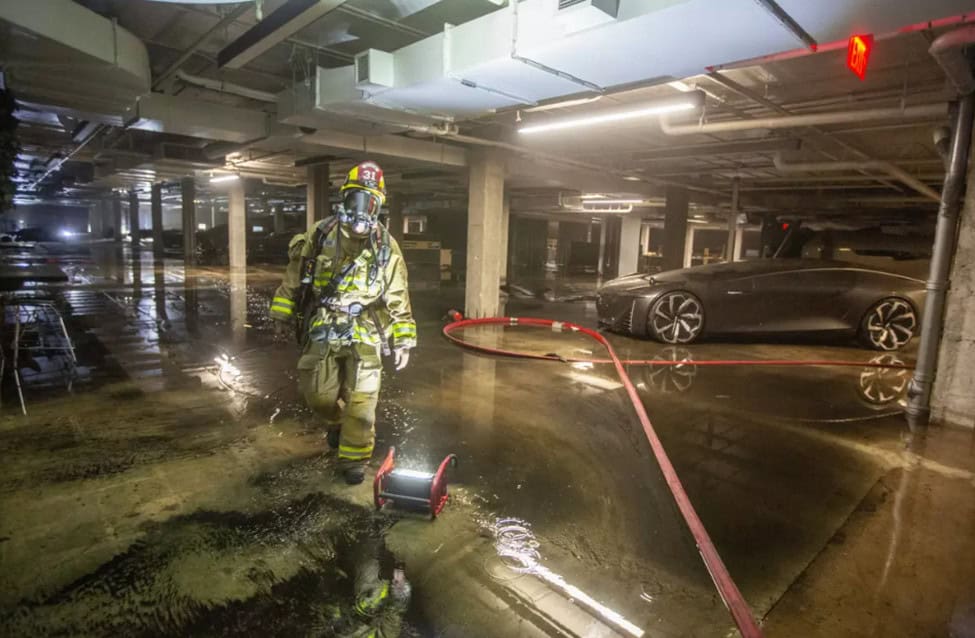
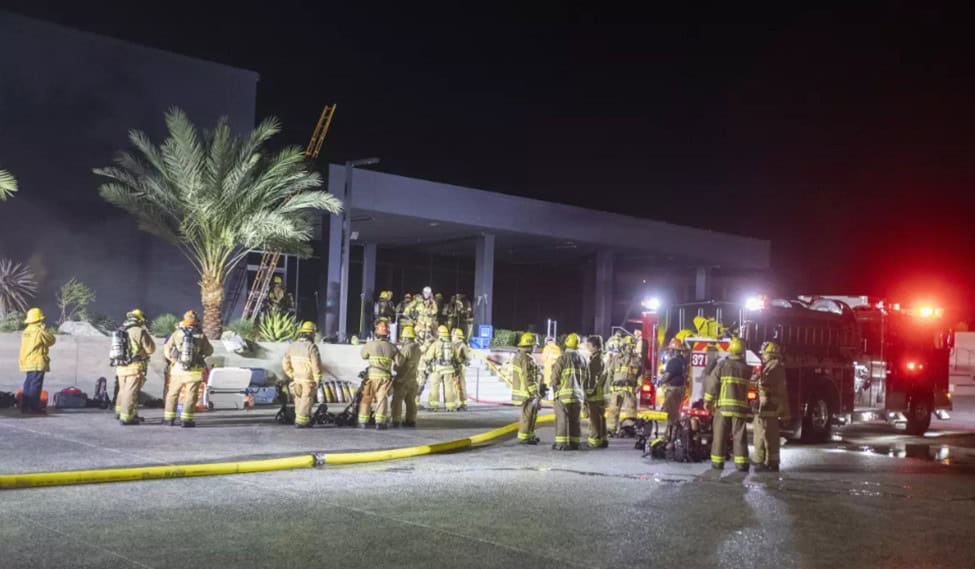
A four-alarm fire struck a well-known automotive design facility on Sierra Madre Villa Avenue in Pasadena on Wednesday evening, October 22, at approximately 5:45 p.m. More than 100 firefighters responded, including hazmat units, due to the presence of lithium-ion batteries on site. Employees were evacuated, and there were no civilian injuries. One rescuer who issued a mayday was safely recovered. Crews contained the incident before it spread to adjacent properties, and environmental teams began assessing potential contamination. This fire underscores lithium-ion hazards.
Risks of Lithium-Ion Battery Fires
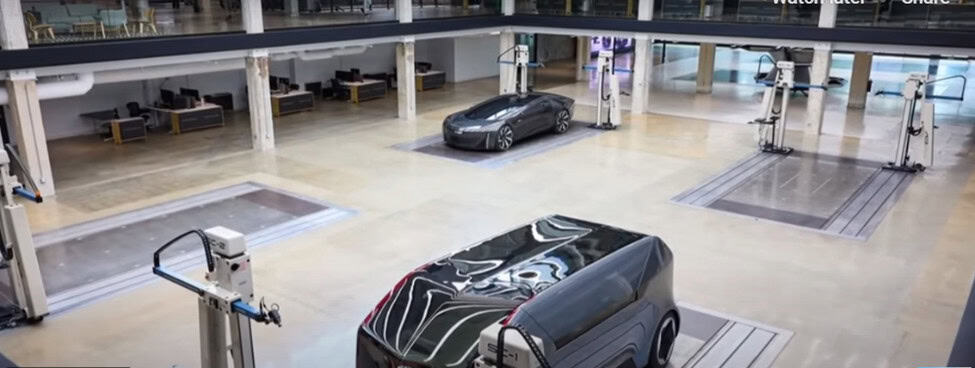
Initial information suggests that lithium-ion batteries from a prototype vehicle may have contributed to the ignition and growth of the fire. These batteries can enter thermal runaway, release flammable and toxic gases, and re-ignite after apparent knockdown. The 150,000-square-foot building likely contained mixed occupancies, such as R&D labs, vehicle bays, and showroom areas. These varied uses increase fuel load variability and contribute to greater smoke production. Cooling and overhaul were extended because concealed battery cells and energized components can retain heat and off-gas for hours. Water damage and smoke migration compounded the severity of the loss, especially around high-value prototype assets and electronics.
Implications for Property Loss Prevention
Facilities involved in designing, prototyping, charging, or storing electric vehicles or battery systems face unique hazards. These require specialized protection strategies that exceed those used in conventional auto or light industrial occupancies. Programs should align with NFPA 70 for electrical installations, NFPA 13 for fire sprinkler systems, and NFPA 72 for detection and alarm systems. FM Property Loss Prevention Data Sheet 7-112 also offers engineering controls for battery charging, storage, separation, ventilation, and firefighting water supply. Insurers and risk managers should anticipate longer post-fire stabilization periods, stricter contamination controls, and the risk of re-ignition. These factors can substantially extend business interruption and restoration timelines.
Key implications:
- Thermal runaway risk necessitates dedicated detection, ventilation, and cooling tactics.
- Prototype and R&D environments concentrate value; smoke and water can result in outsized losses from limited fire spread.
- Hazmat-driven response and environmental monitoring increase emergency response duration and cost.
Practical Takeaways
- Battery Risk Zoning: Segregate EV charging, battery storage, and teardown areas from offices and showrooms using rated construction, self-closing doors, and properly designed fire separations.
- Suppression and Water Supply: Verify sprinkler density, water supply duration, and hose stream allowances for EV and battery hazards. Consider enhanced sprinkler design in charging bays and battery rooms per NFPA 13 and FM guidance.
- Off-Gas Detection and Ventilation: Deploy gas detection for hydrogen fluoride and other decomposition products and provide emergency exhaust ventilation interlocked with alarm systems.
- Charging Governance: Implement written charging standard operating procedures (SOPs), state-of-charge limits for staging, listed chargers, supervised charging, and lockout for damaged or suspect batteries. Apply NFPA 70 and the manufacturer's Installation, Operation, and Maintenance Manuals.
- Thermal Runaway Containment: Stage Class D media or approved cooling systems, battery blankets, and isolation carts. Pre-plan extended cooling and post-incident monitoring.
- Asset Protection and Smoke Control: Install spot and air-sampling detection in high-value areas, provide smoke compartmentation, and protect prototypes with covers and quick-ship dehumidification plans to limit corrosion.
- Electrical and Hot Work Discipline: Enforce electrical preventative maintenance, infrared scanning, and hot work permits. Control ignition sources near charging and battery staging locations.
- Environmental and Post-Fire Protocols: Pre-arrange environmental contractors for water run-off containment, contaminated debris handling, and air monitoring.
Bottom Line
Lithium-ion battery hazards in design and manufacturing facilities require dedicated zoning, detection, ventilation, and suppression strategies. These measures help prevent thermal runaway from escalating into a high-severity property loss.
Risk Logic engineers help facilities identify manufacturing and battery-related fire hazards, validate suppression and detection design, and implement pragmatic controls tailored to R&D and prototype environments. Contact Risk Logic today for an evaluation of your lithium-ion hazards.