December 26th, 2025
Introduction
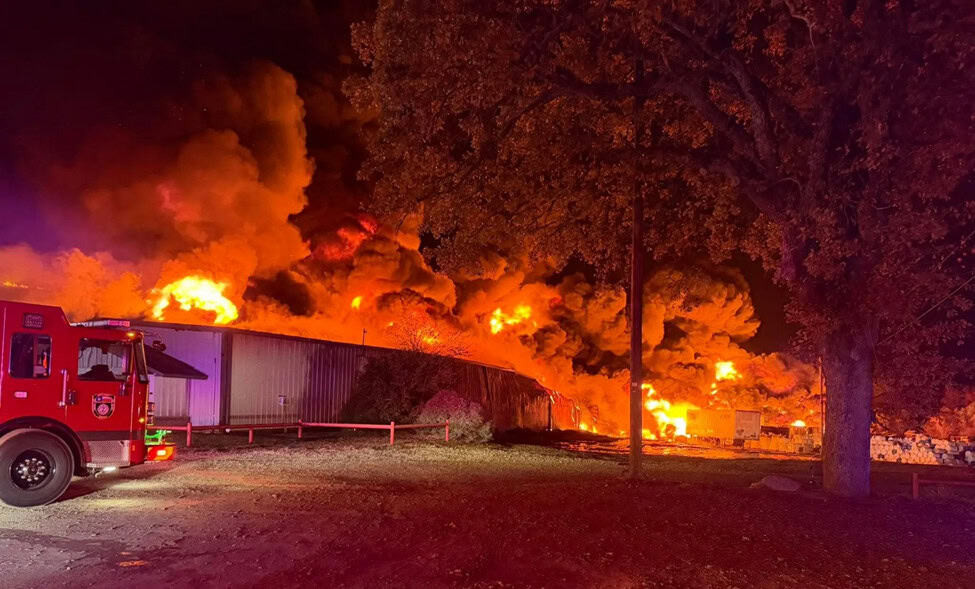
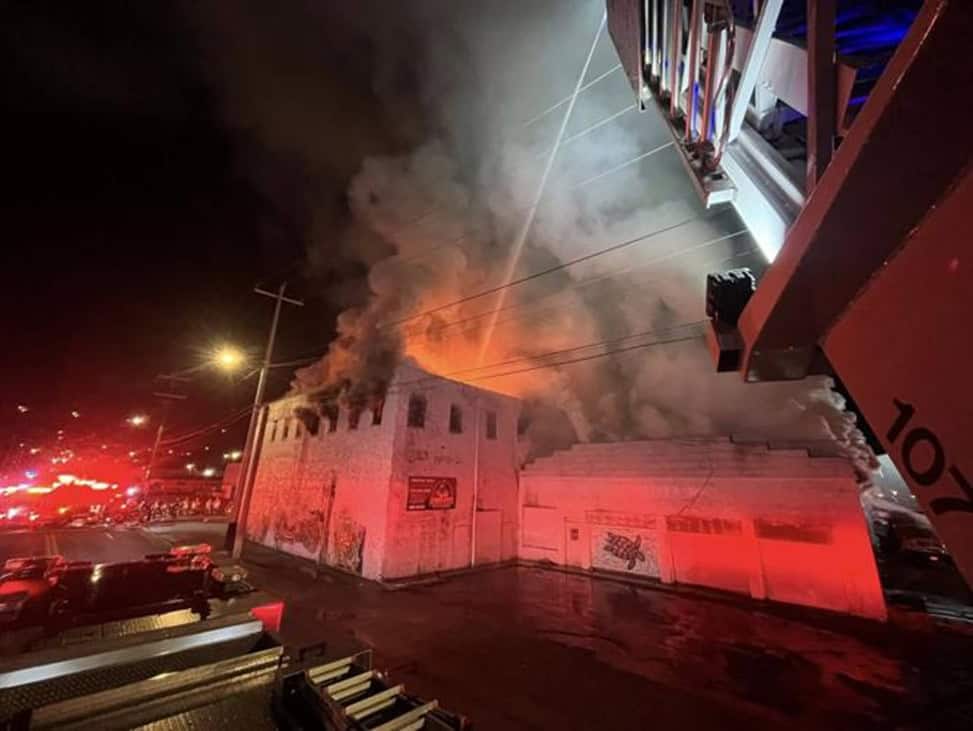
In the early morning hours of December 16, 2025, a large fire broke out at a lumberyard near East 14th Terrace and Truman Road in Kansas City, Missouri, involving extensive outdoor lumber storage and adjacent structures, highlighting combustible outdoor storage and exposure risks.
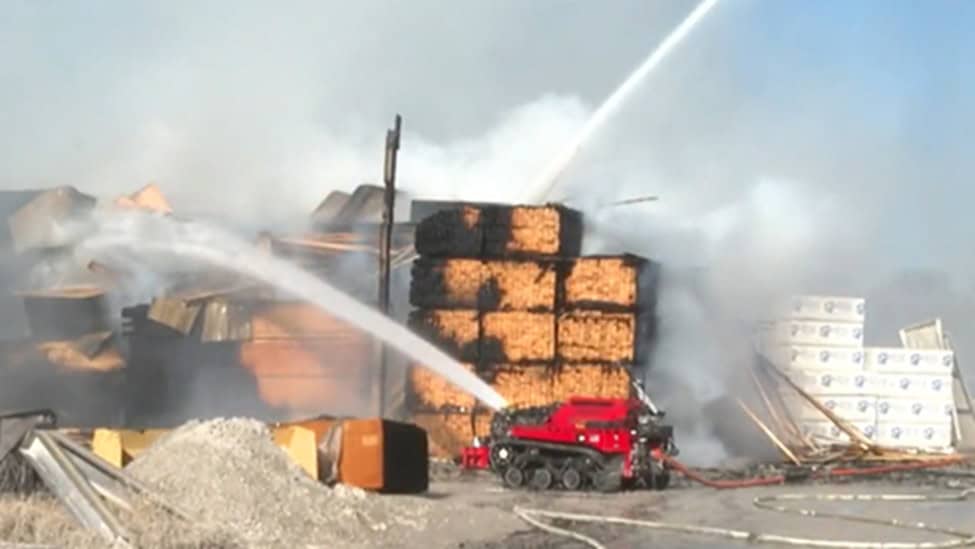
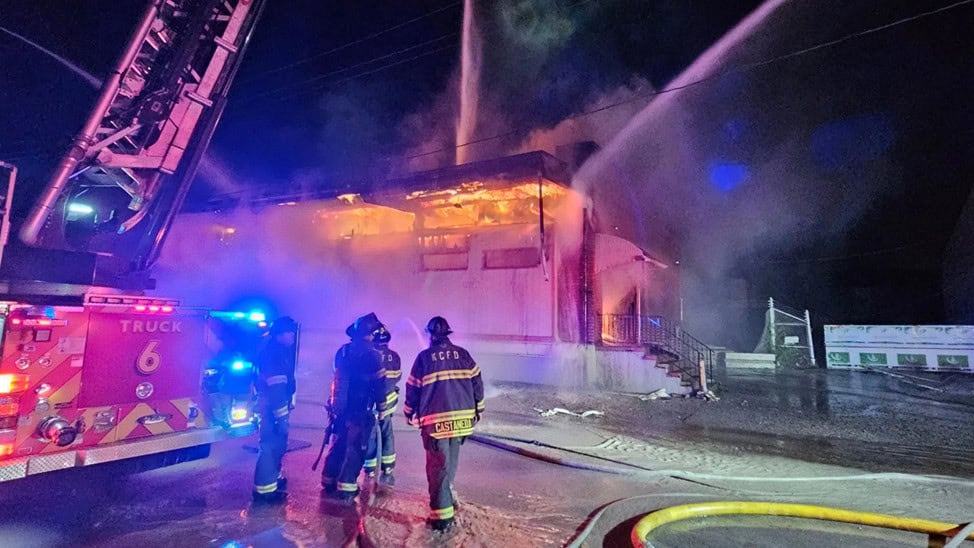
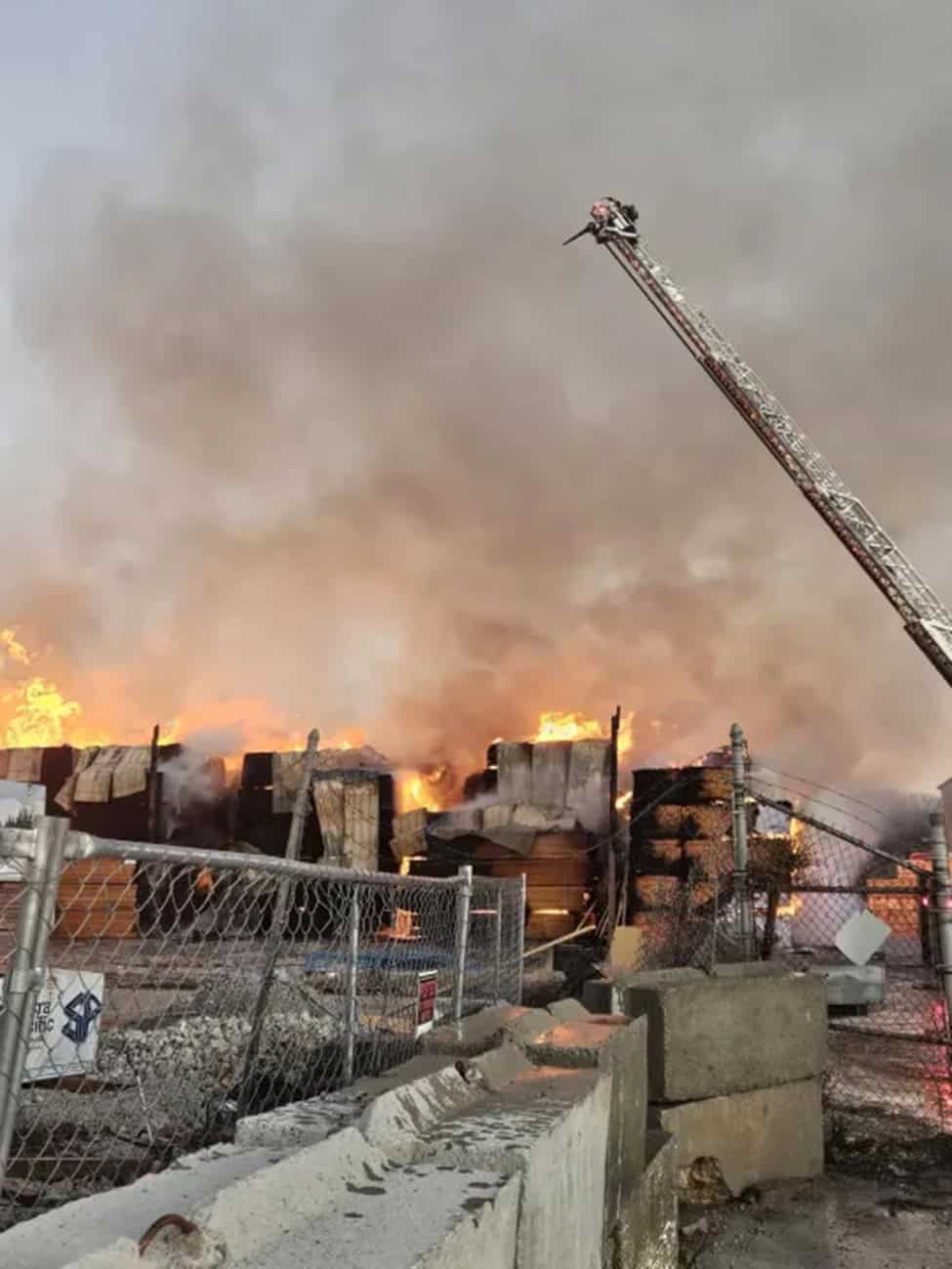
Kansas City Fire Department units arrived shortly after 6:15 a.m. to find heavy smoke and advanced fire conditions fueled by stacked lumber and other combustible materials.
Due to rapid fire growth, wind conditions, and collapse hazards, crews transitioned to a defensive strategy utilizing aerial master streams and a remote-controlled firefighting robot.
No injuries were reported in early updates, and the incident resulted in extensive inventory damage and impacts to multiple structures.
Why the Fire Spread
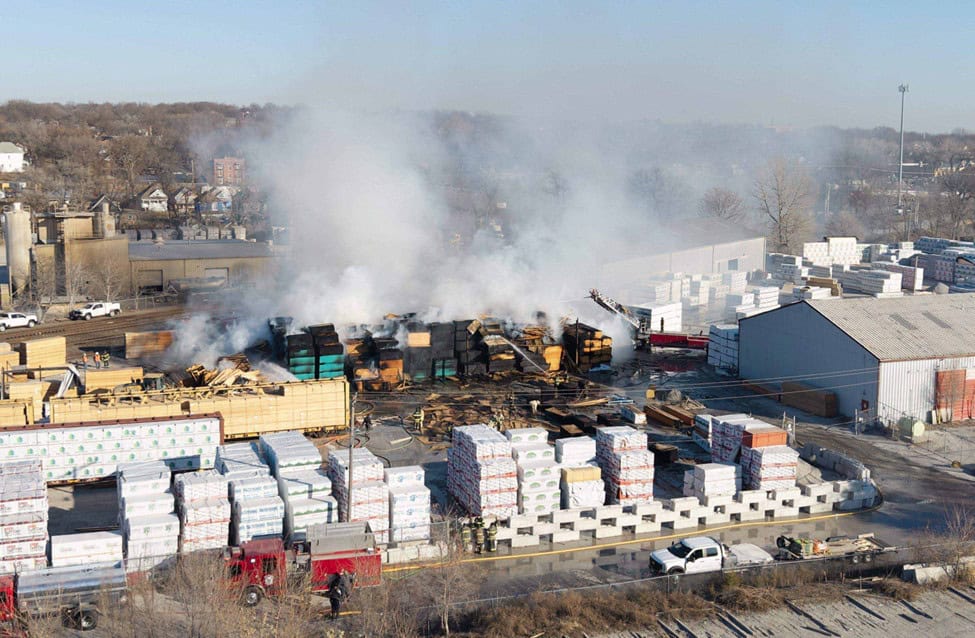
The fire spread rapidly due to large volumes of exposed Class III combustible materials stored in outdoor piles with limited separation.
Once ignited, flames penetrated deep into the lumber stacks, creating concealed burning conditions that reduced the effectiveness of handlines alone, and accelerated horizontal fire spread.
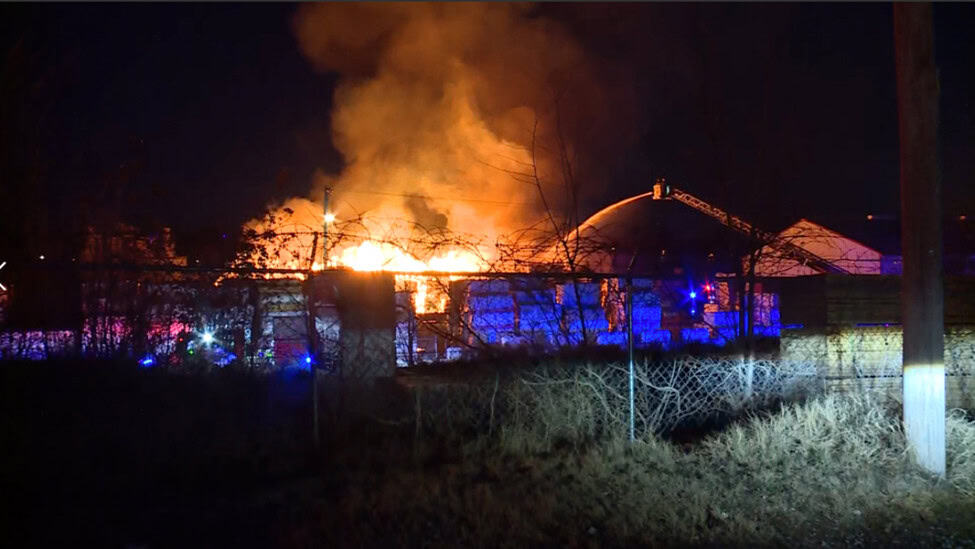
Wind further intensified flame extension across piles and increased radiant heat exposure to adjacent buildings, forcing firefighting operations into a defensive posture.
NFPA 1 identifies large, undivided lumber stacks, congested yard layouts, and limited fire lanes as recurring contributors to serious lumberyard fires, particularly when detection and access are delayed.
Implications for Property Loss Prevention
This event reinforces that outdoor lumber storage must be treated as a high-severity exposure hazard rather than a routine yard operation.
FM Data Sheet 1-20 frames yard storage fires as exterior exposure events, emphasizing that separation distances, fire breaks, and exposure protection are the primary loss controls when combustible materials are stored outdoors.
NFPA 1 similarly emphasizes the importance of spacing, access lanes, and fuel management to limit radiant heat transfer and flame impingement to nearby buildings.
Once fires reach a scale requiring aerial streams, defensive operations, or robotic suppression, loss magnitude is largely determined by site layout decisions made long before ignition.
Key Loss Prevention Considerations
- Limiting pile size and height to reduce internal heat buildup and deep-seated burning
- Providing fire lanes and separation distances to interrupt continuous fuel paths per NFPA 1
- Treating outdoor lumber storage as an exposure hazard under FM Data Sheet 1-20
- Protecting adjacent buildings through distance, fire-resistive construction, or exposure protection systems
Practical Takeaways
Facility owners and risk managers should evaluate outdoor storage layouts, assuming that an initial ignition will escalate rapidly if fuel continuity is poorly managed.
Mixed storage of lumber, packaging, and idle pallets should be avoided, as FM Data Sheet 8-24 identifies idle pallets as a high fire growth hazard requiring dedicated separation and controls.
Pre-incident planning should consider wind exposure, apparatus access, and water supply demands, recognizing that deep-seated yard fires often overwhelm manual suppression.
Routine inspections should verify pile dimensions, spacing, housekeeping, and access lanes align with FM and NFPA guidance, not just local code minimums.
Risk Logic engineers help facilities managing combustible outdoor storage identify exposure-driven fire risks and implement loss prevention strategies aligned with FM and NFPA standards. Contact Risk Logic today for more information.
Bottom Line
Outdoor lumber storage fires escalate into exposure-driven losses quickly, and separation, spacing, and yard design determine outcomes long before firefighters arrive.