December 19th, 2025
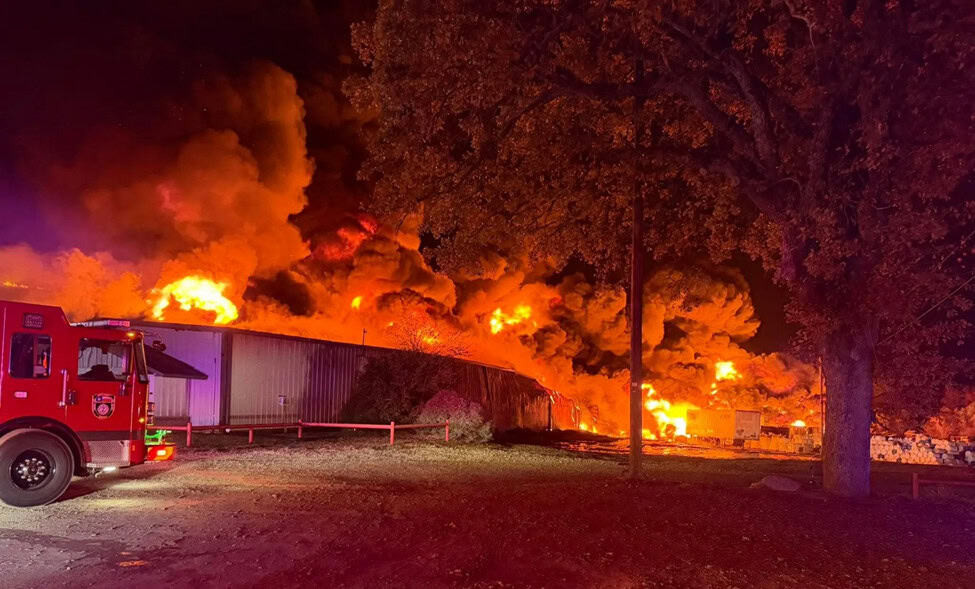
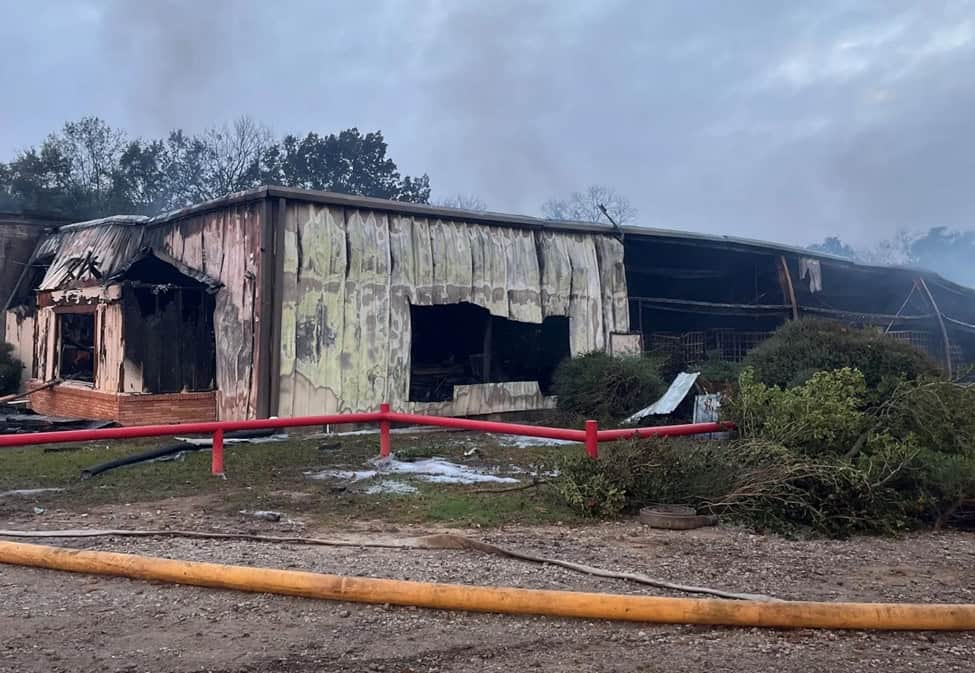
On the evening of November 20, 2025, a large industrial fire broke out at an oil and plastic recycling facility off Highway 64 West near Tyler Pounds Regional Airport in Smith County, Texas. Officials dispatched fire crews at 6:22 p.m. They arrived to find heavy smoke and active fire conditions involving combustible materials stored throughout the facility. The situation highlighted significant plastic and oil fire load risks. The incident prompted a multi‑agency response. Smith County ESD2, Tyler Fire Department, and Lindale Fire Department all assisted, with hazmat resources requested due to the nature of the materials involved.
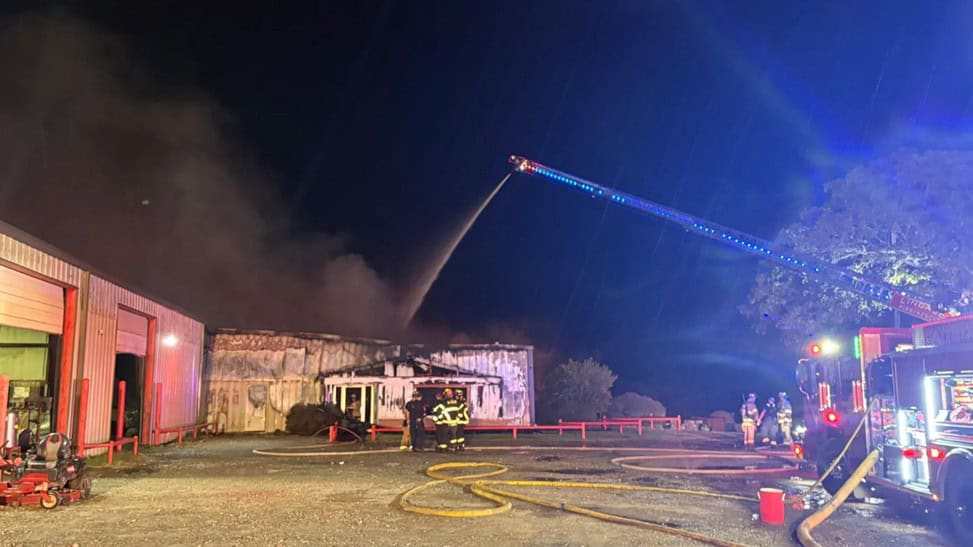
As the fire intensified, portions of the roof collapsed, forcing firefighters into defensive operations. Firefighting and overhaul operations extended into the following morning as crews addressed hot spots and hazardous runoff concerns.
Why the Fire Spread
The facility’s combustible inventory primarily drove the rapid escalation and prolonged duration of this fire. Large quantities of plastic materials and oil-based products significantly increased the fire load and heat release rate once ignition occurred. These materials burn intensely, sustain flame spread, and are difficult to extinguish without specialized suppression strategies.
The building’s metal-clad construction offered limited inherent fire resistance, allowing fire to spread horizontally along the structure and vertically into roof assemblies. Sustained high temperatures exposed the roof components. The heat caused structural failure and led to partial collapse. This collapse eliminated the possibility of interior attack and further complicated suppression efforts.
In addition, the facility lacked robust compartmentation between processing areas and storage zones. This allowed the fire to spread into large sections of the building at the same time. Wind conditions added to the problem. Flames and embers were driven across exposed surfaces, which increased radiant heat exposure and accelerated exterior fire spread.
Implications for Property Loss Prevention
For insurers, risk managers, and industrial facility owners, this event underscores the elevated loss potential associated with recycling and processing operations handling plastics and hydrocarbon-based materials.
Key property risk implications include:
- Combustible material concentration
High-volume plastic and oil storage dramatically increases fire severity when not properly separated or protected. - Structural vulnerability
Non-fire-resistive roof and wall assemblies are prone to early failure under high heat, expanding loss beyond the point of origin. - Suppression limitations
Facilities without fixed systems designed for high-challenge commodities rely heavily on manual firefighting, which becomes ineffective once structural integrity is compromised. - Community and regulatory exposure
Evacuations, air quality monitoring, and hazmat operations extend loss impact beyond the insured property, increasing regulatory scrutiny and business interruption risk.
FM and NFPA guidance consistently emphasize commodity classification, storage arrangement, and protection alignment as critical controls for facilities processing combustible plastics and oils.
Practical Takeaways
Facility owners and insurers can reduce similar loss scenarios by prioritizing the following actions:
- Conduct regular fire risk assessments that reflect current inventories, processing methods, and storage configurations.
- Install and maintain fixed fire protection systems appropriate for plastic and hydrocarbon hazards, including enhanced sprinkler or deluge protection where warranted.
- Limit outdoor and containerized storage of combustible materials near buildings or provide dedicated protection and separation distances.
- Coordinate pre-incident planning with local fire departments to address water supply, access, and hazardous material response needs.
Risk Logic engineers help industrial facilities and insurers identify combustible material hazards. They evaluate fire protection adequacy and implement practical loss prevention strategies. These strategies are tailored to high‑risk occupancies, including those with plastic and oil fire load risks. Contact Risk Logic today to learn more about our risk engineering services.
Bottom Line
Fires involving large volumes of plastics and oil products can escalate rapidly. They can overwhelm building construction and impact surrounding communities. Proactive fire protection design and careful material management are essential for industrial risk control.